Photographic Impressionism
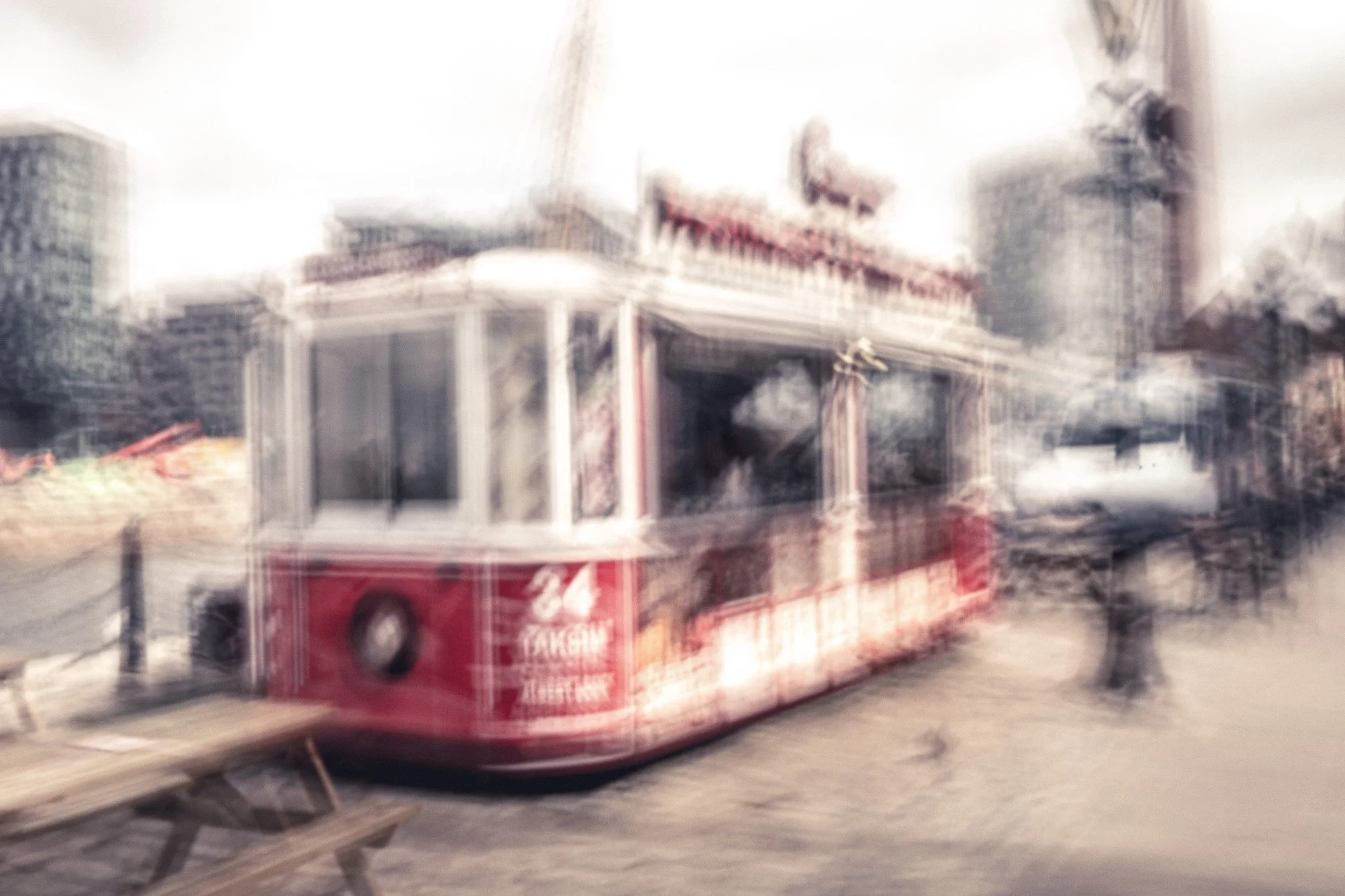
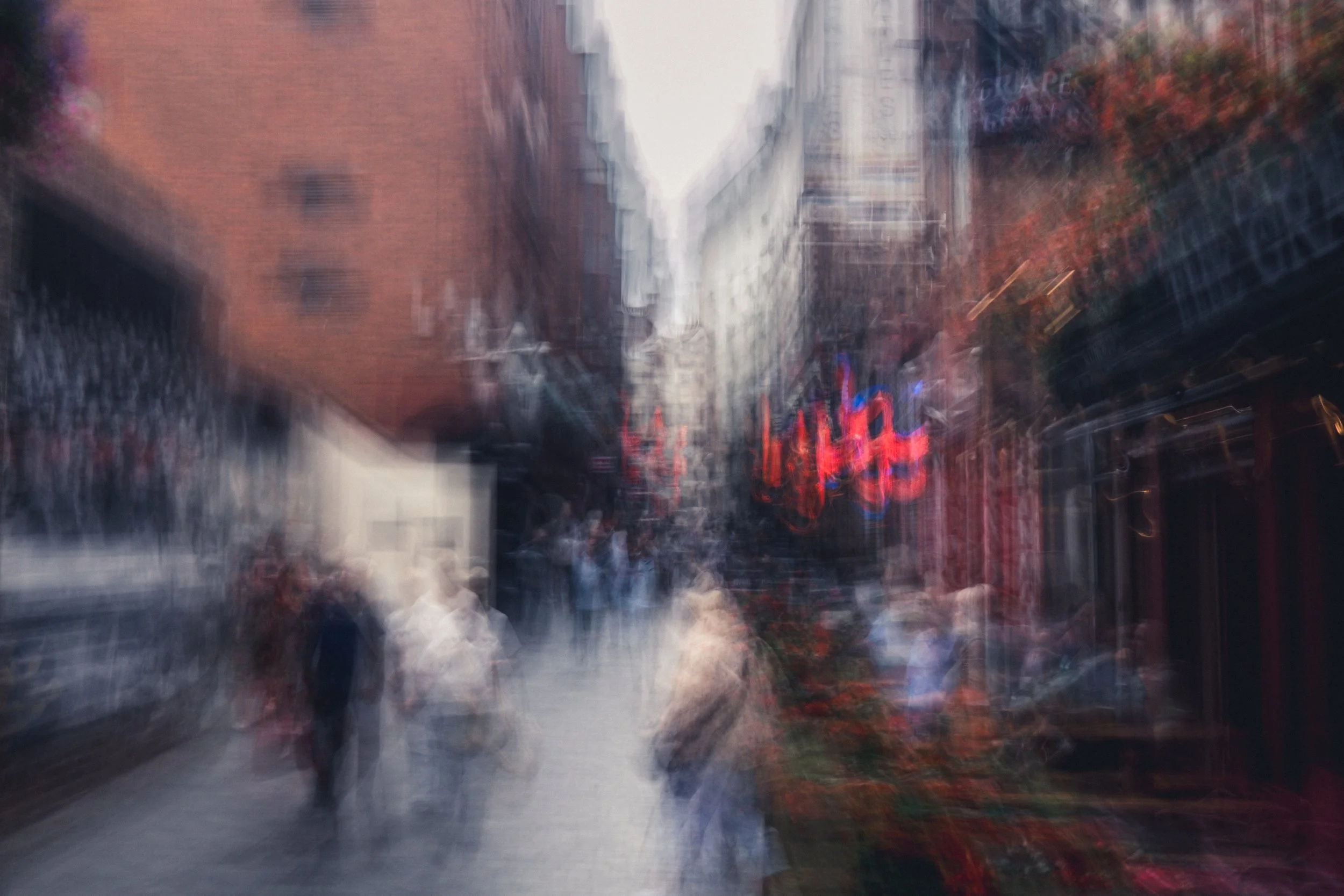
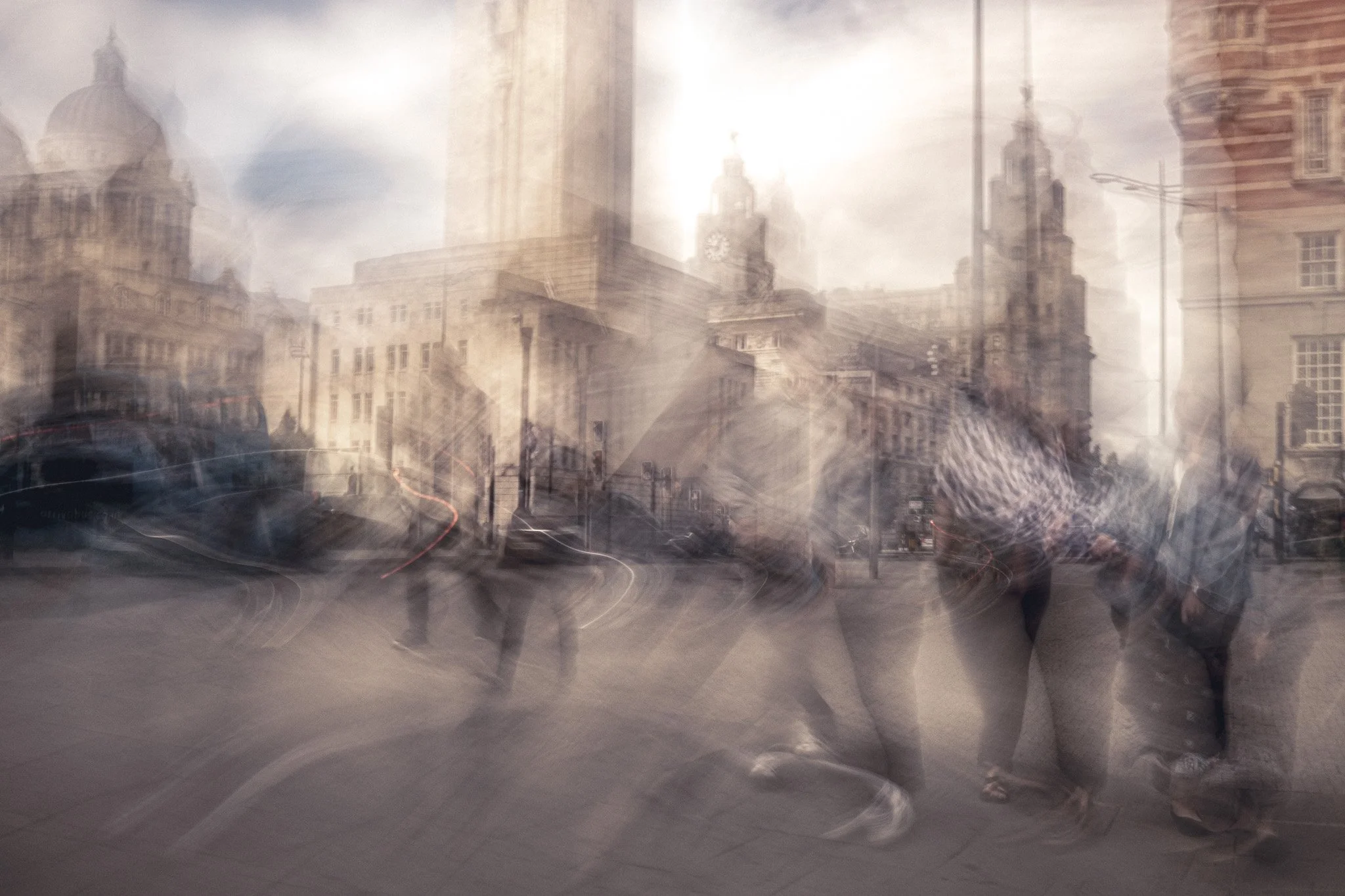
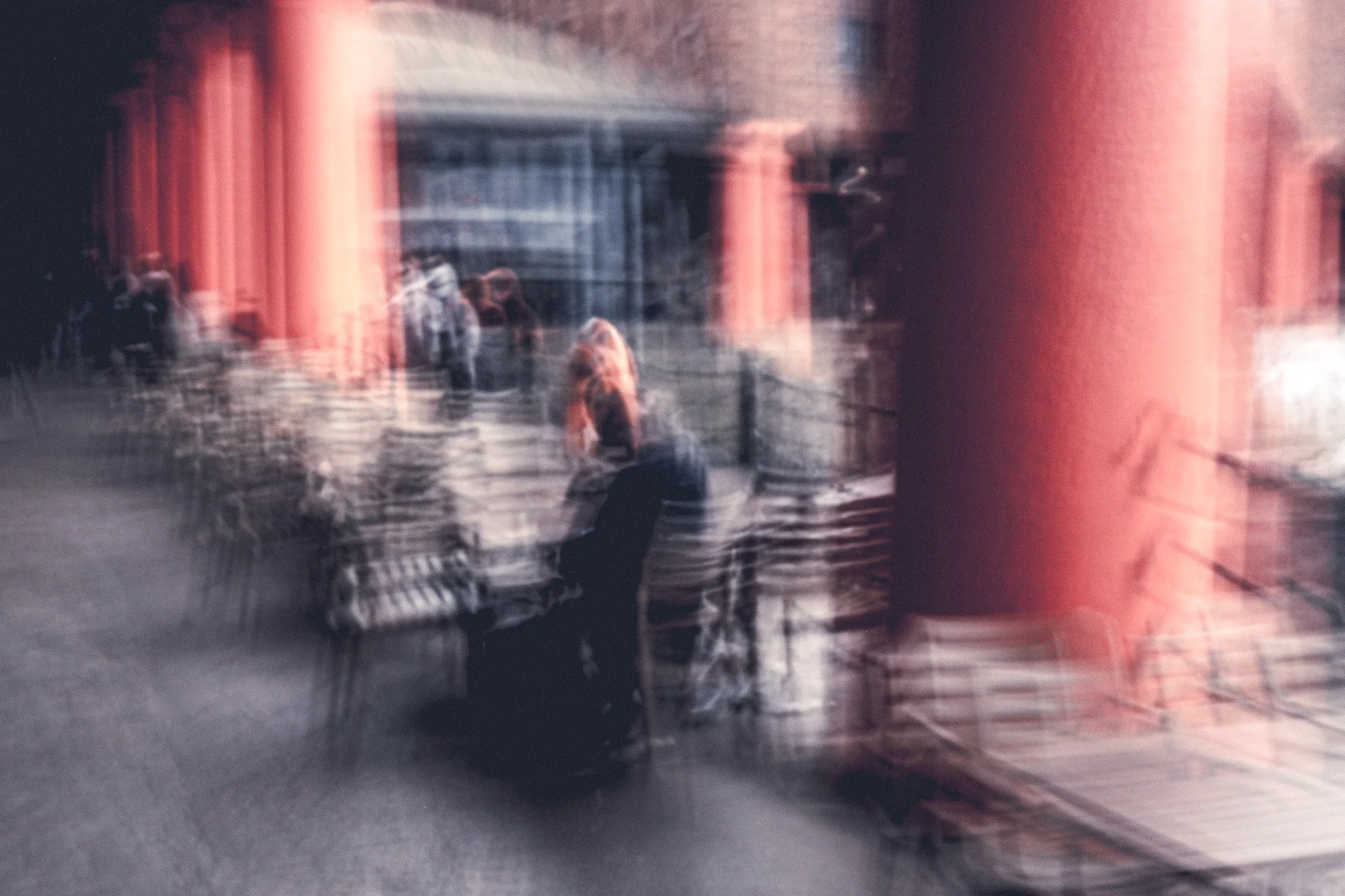
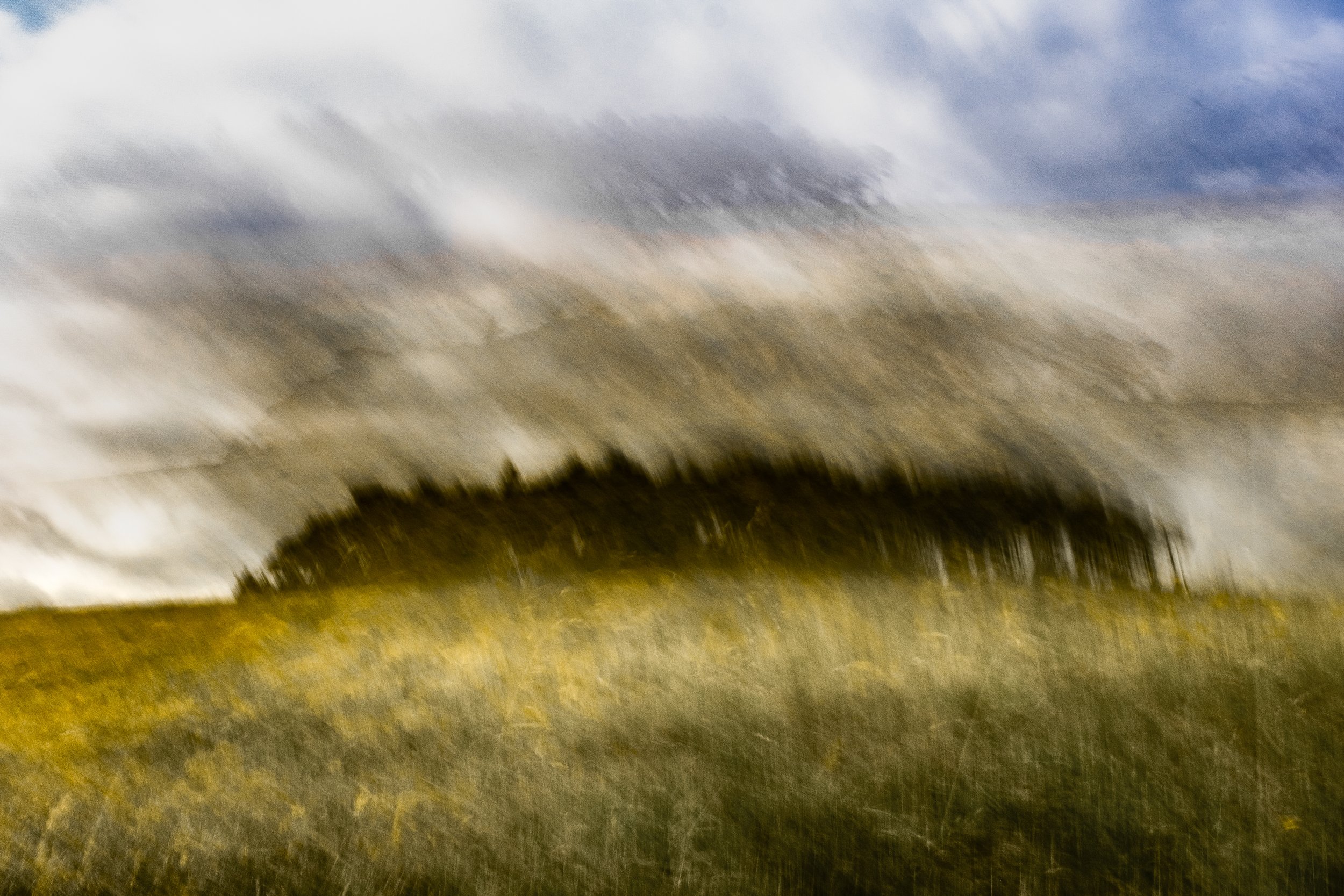
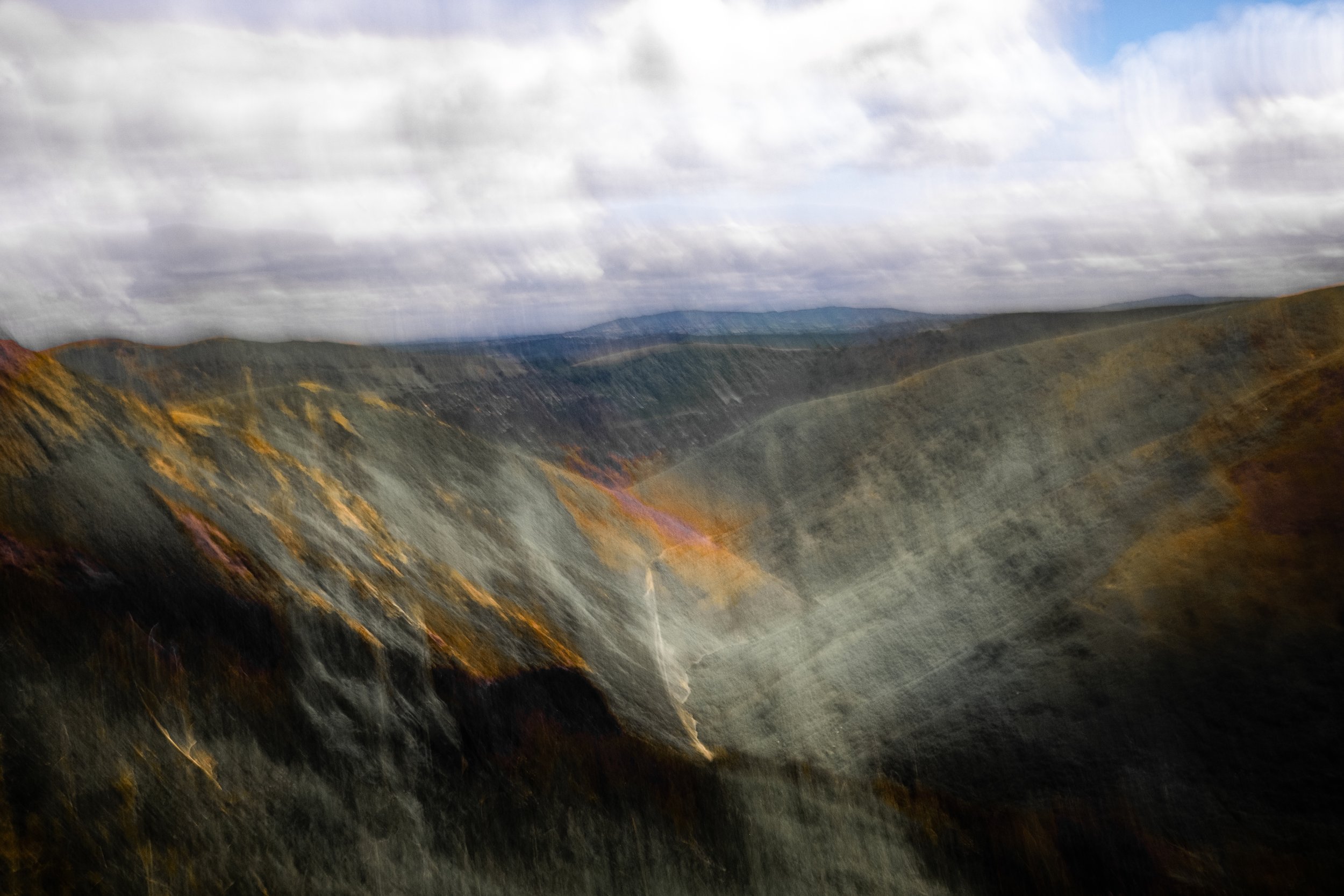
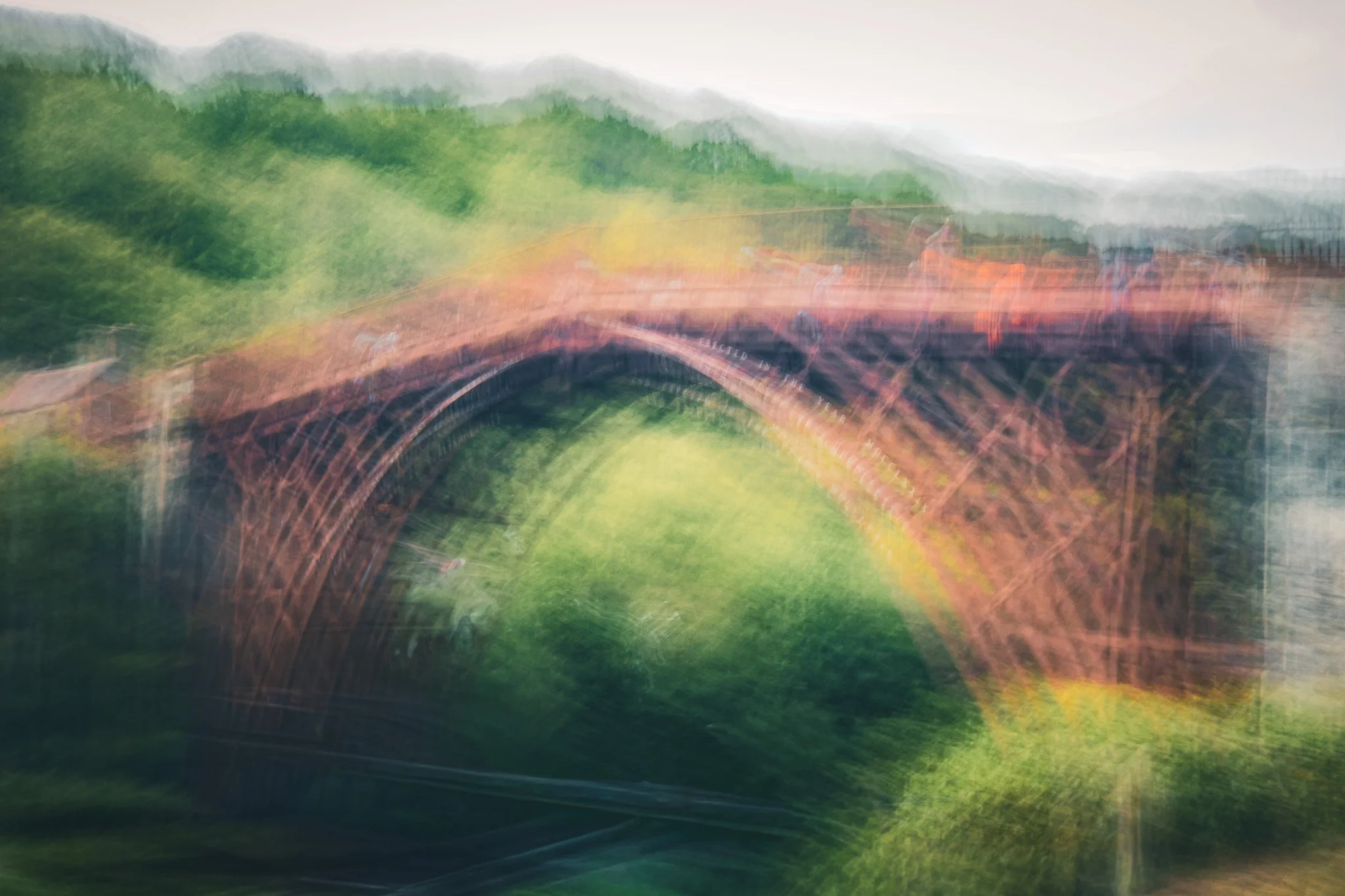
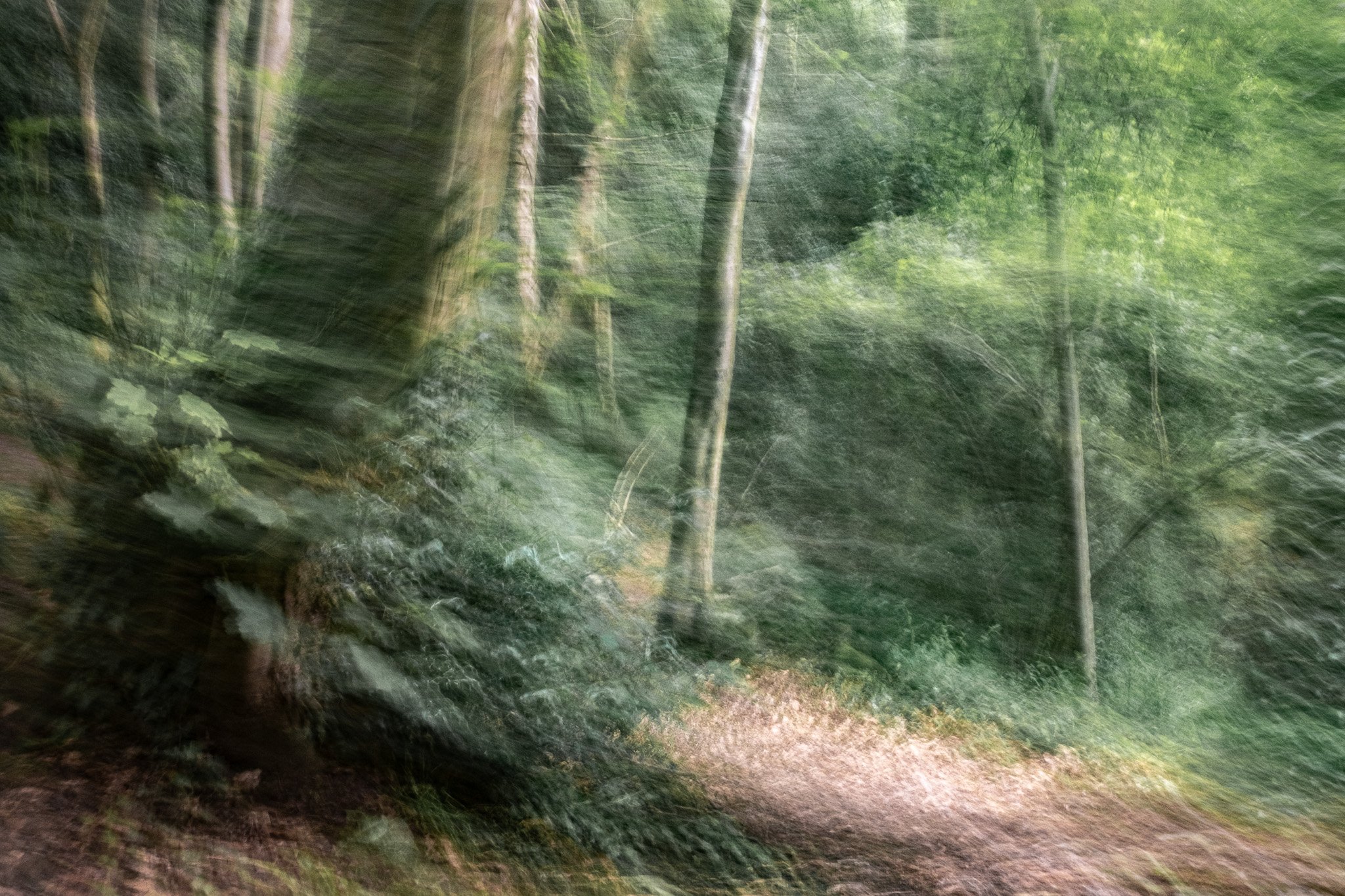
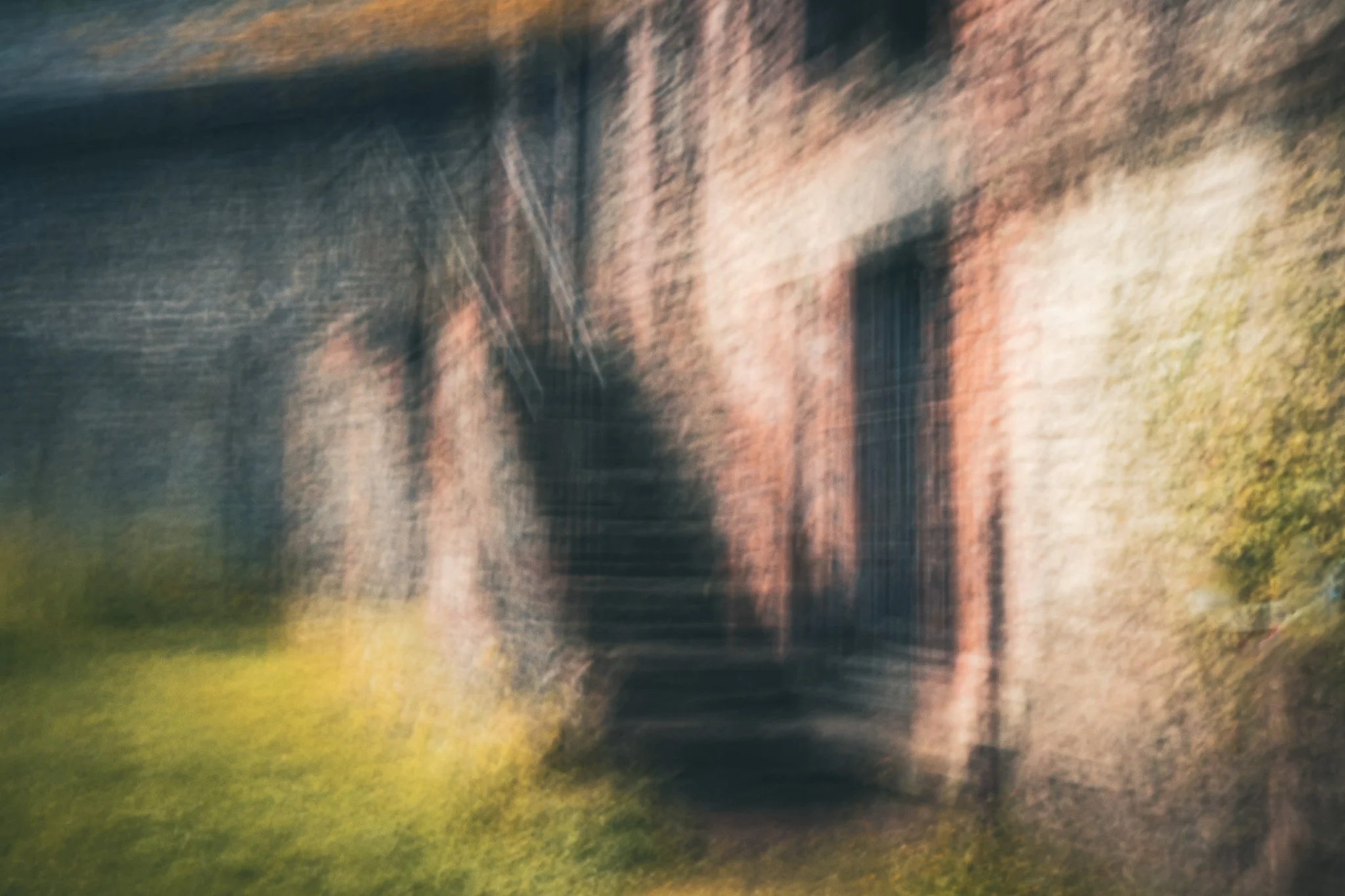
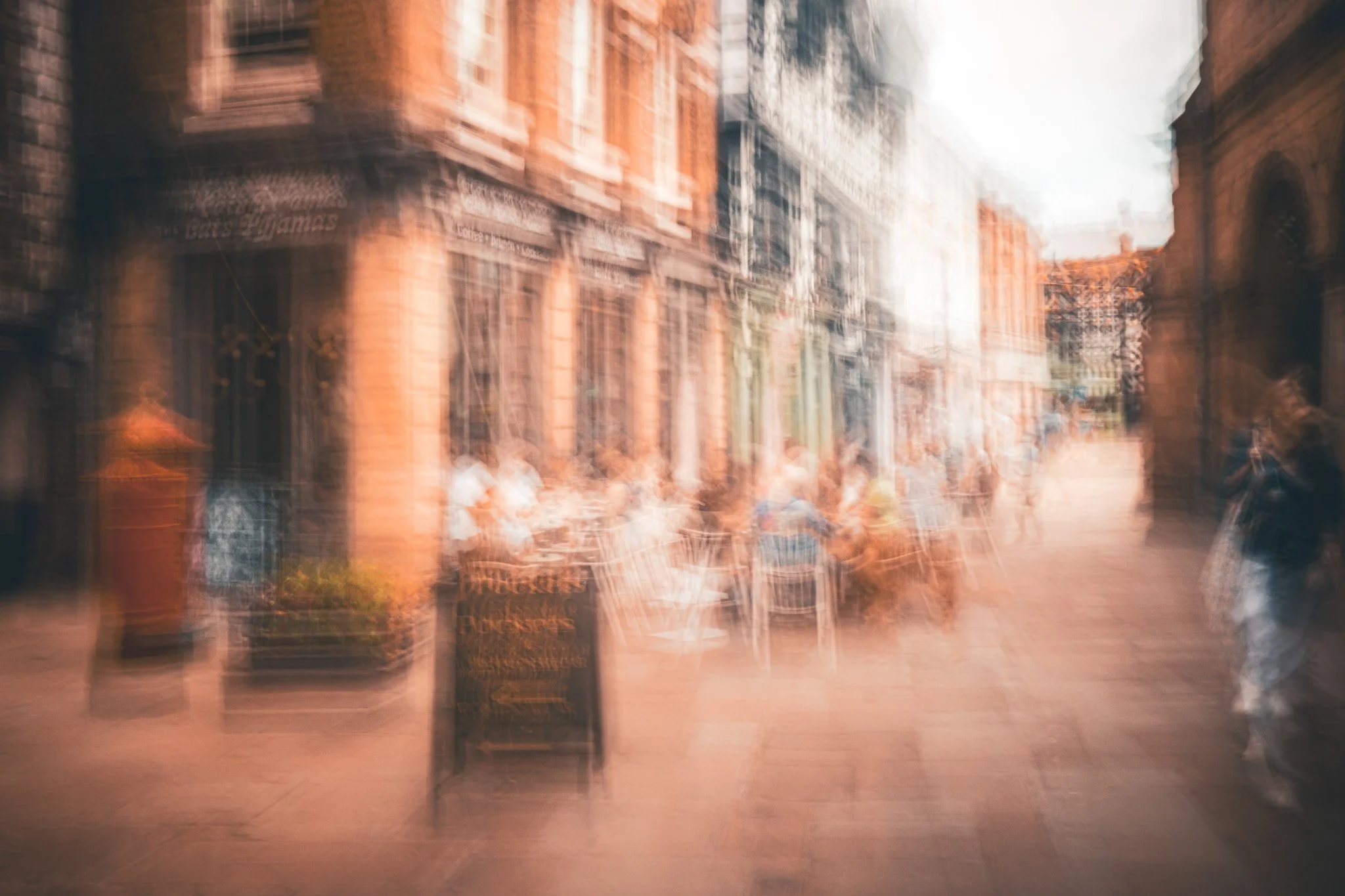
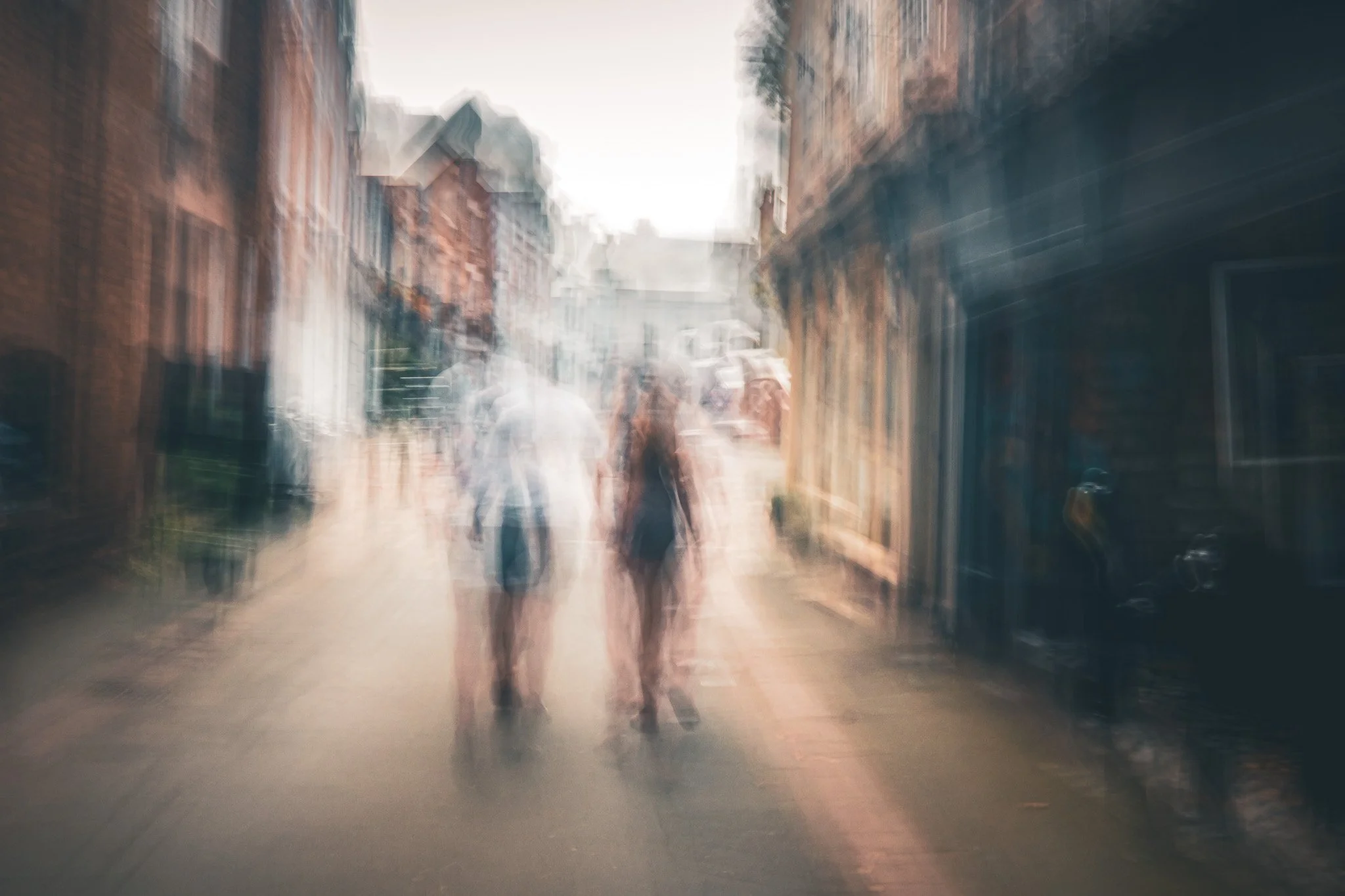
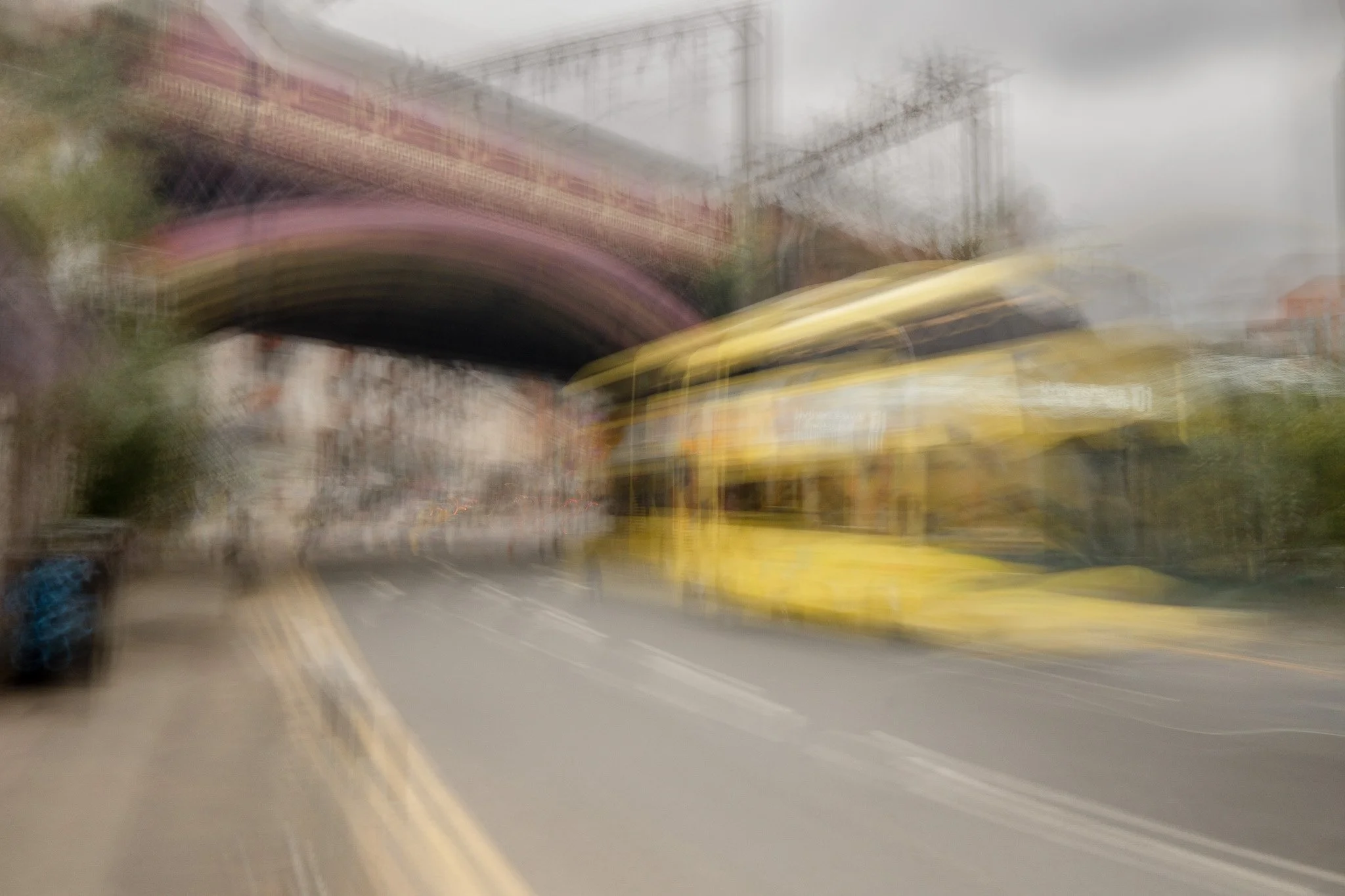
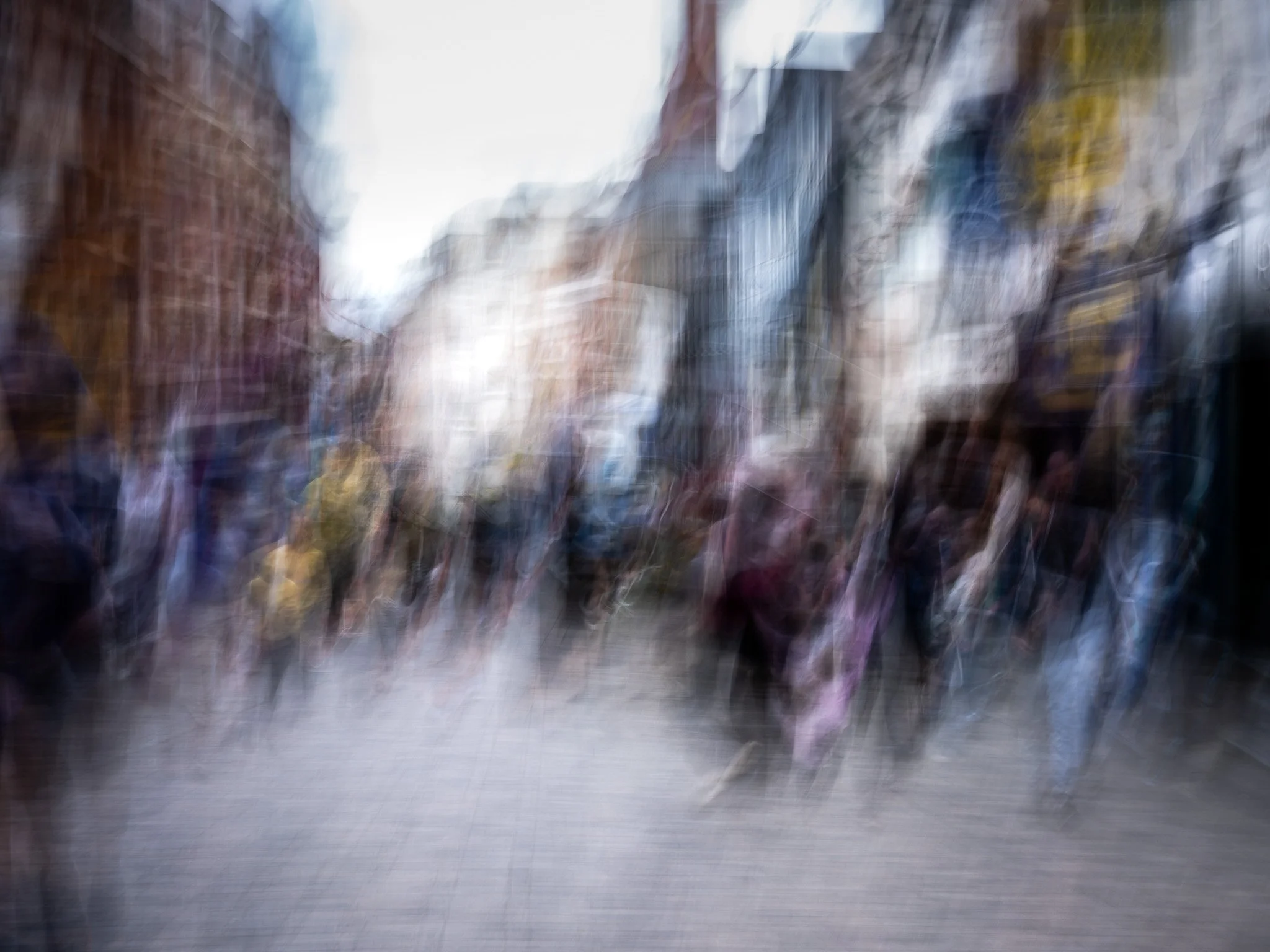
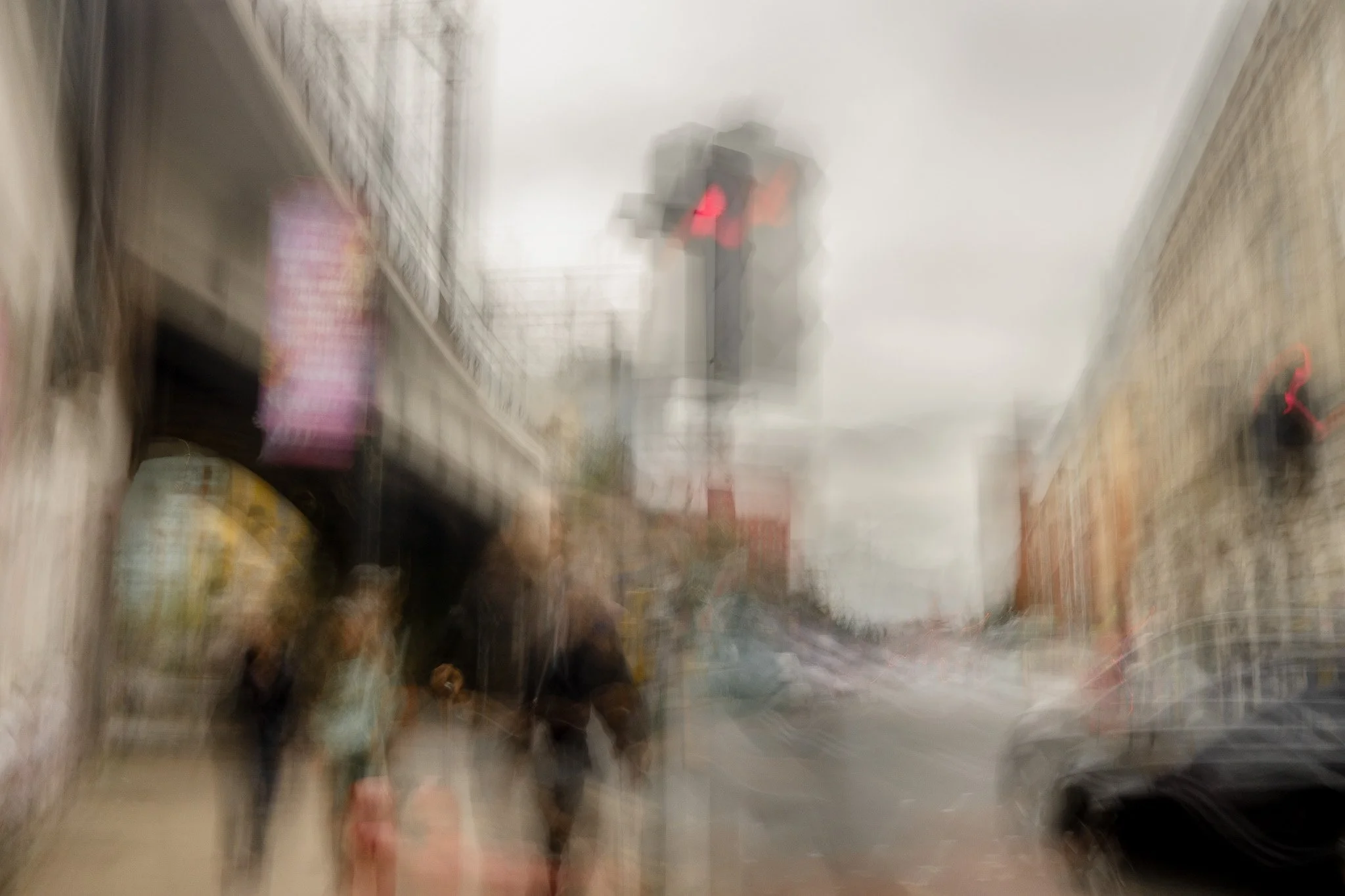
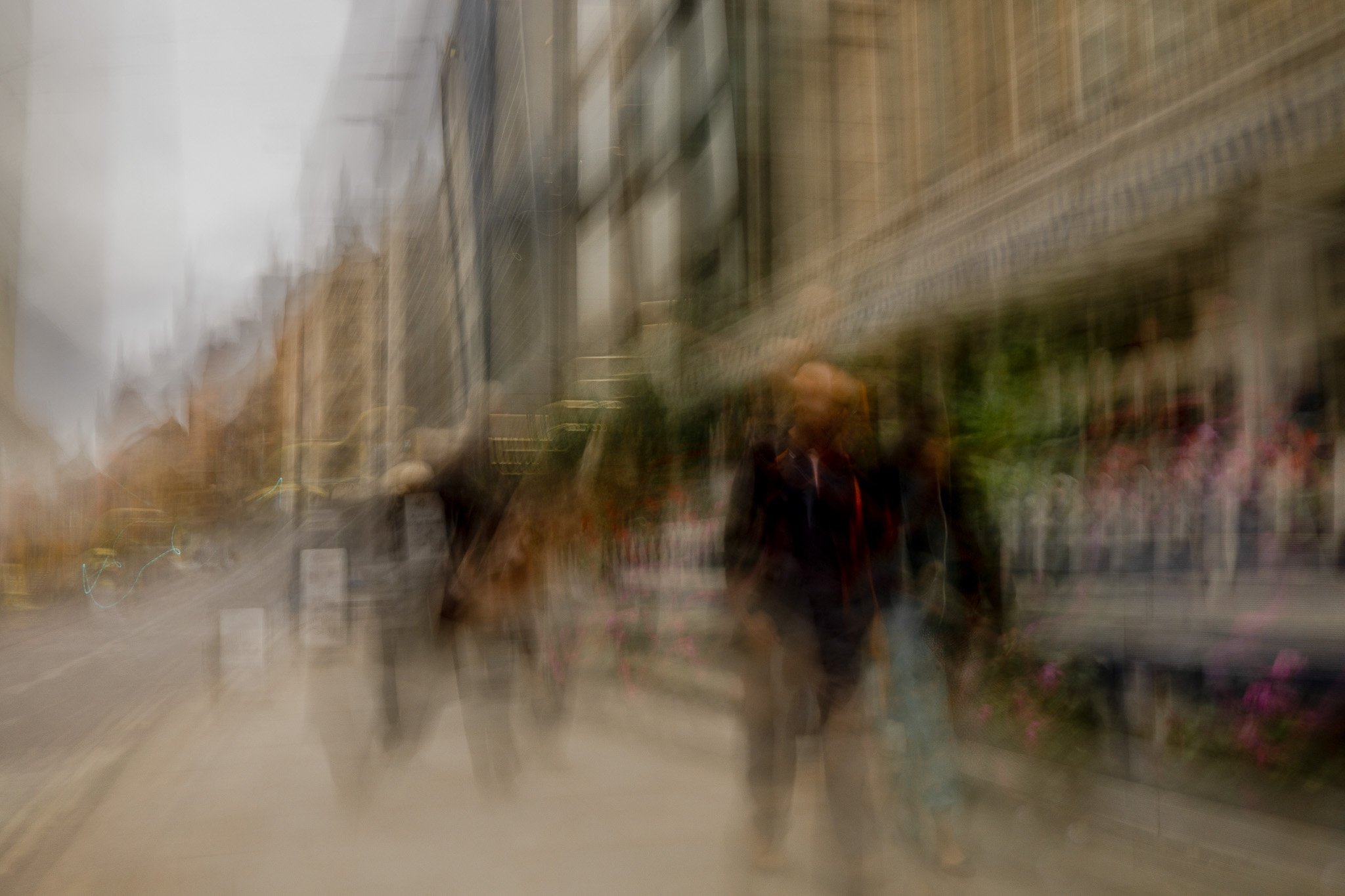
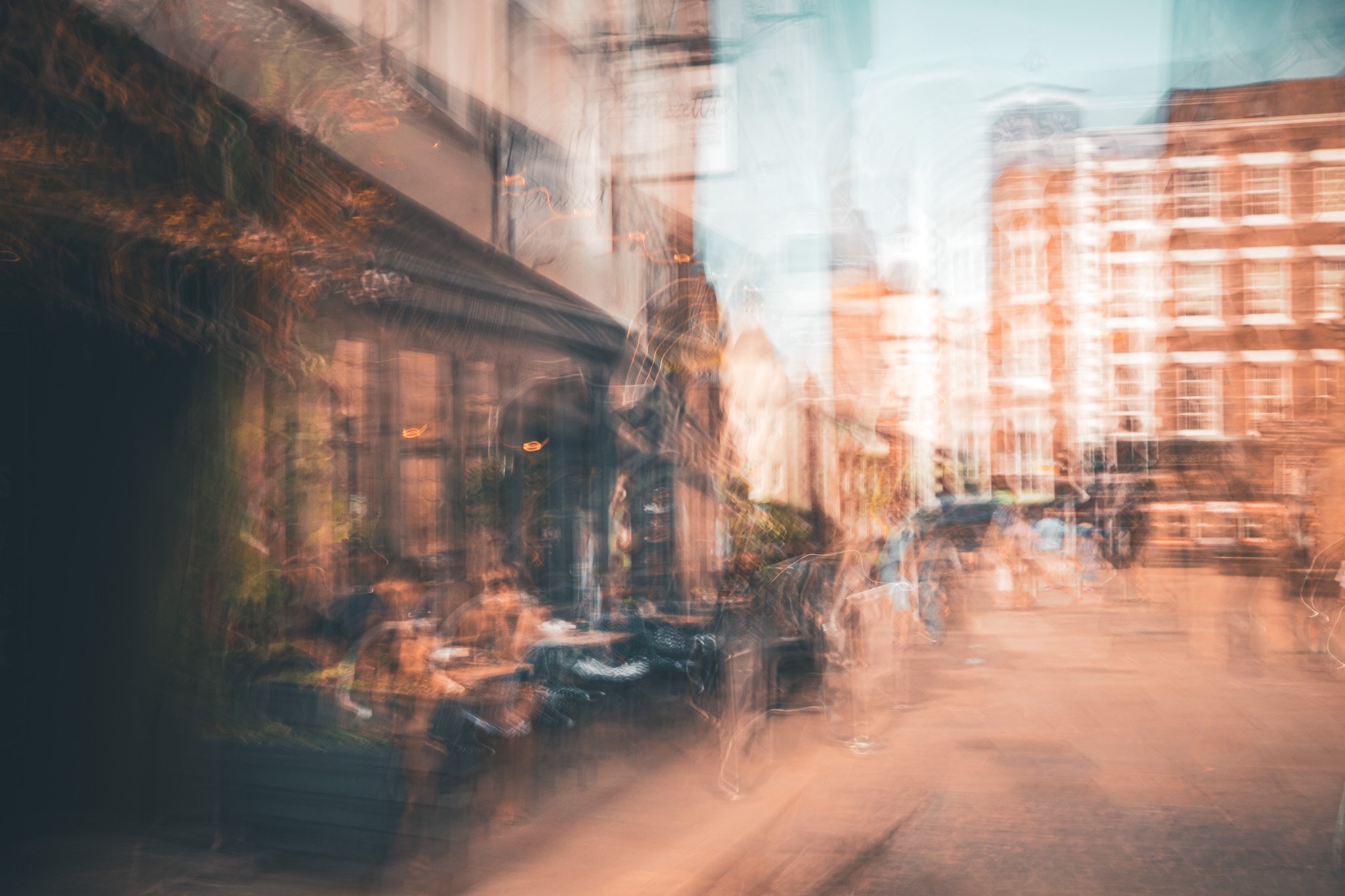
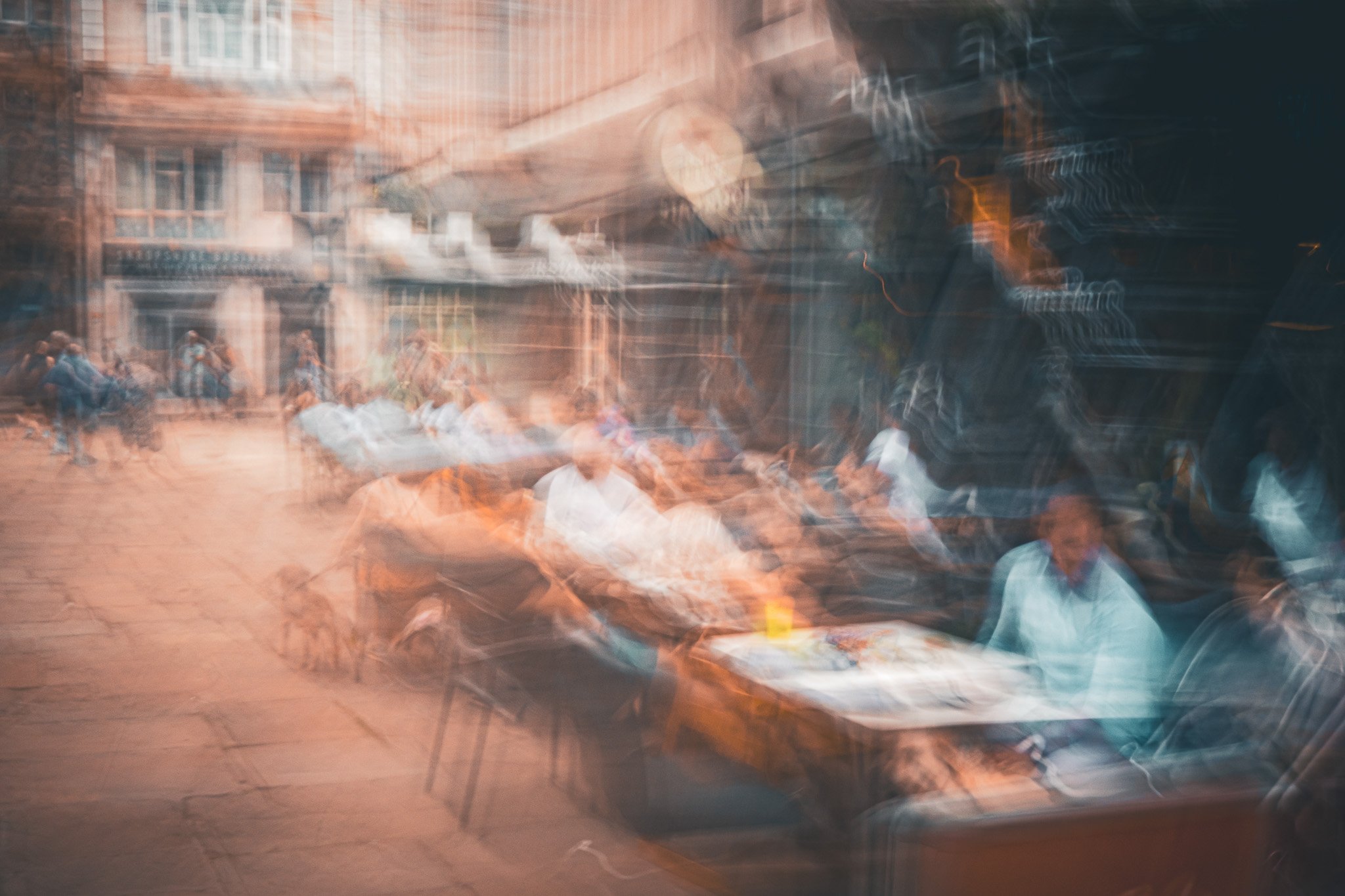
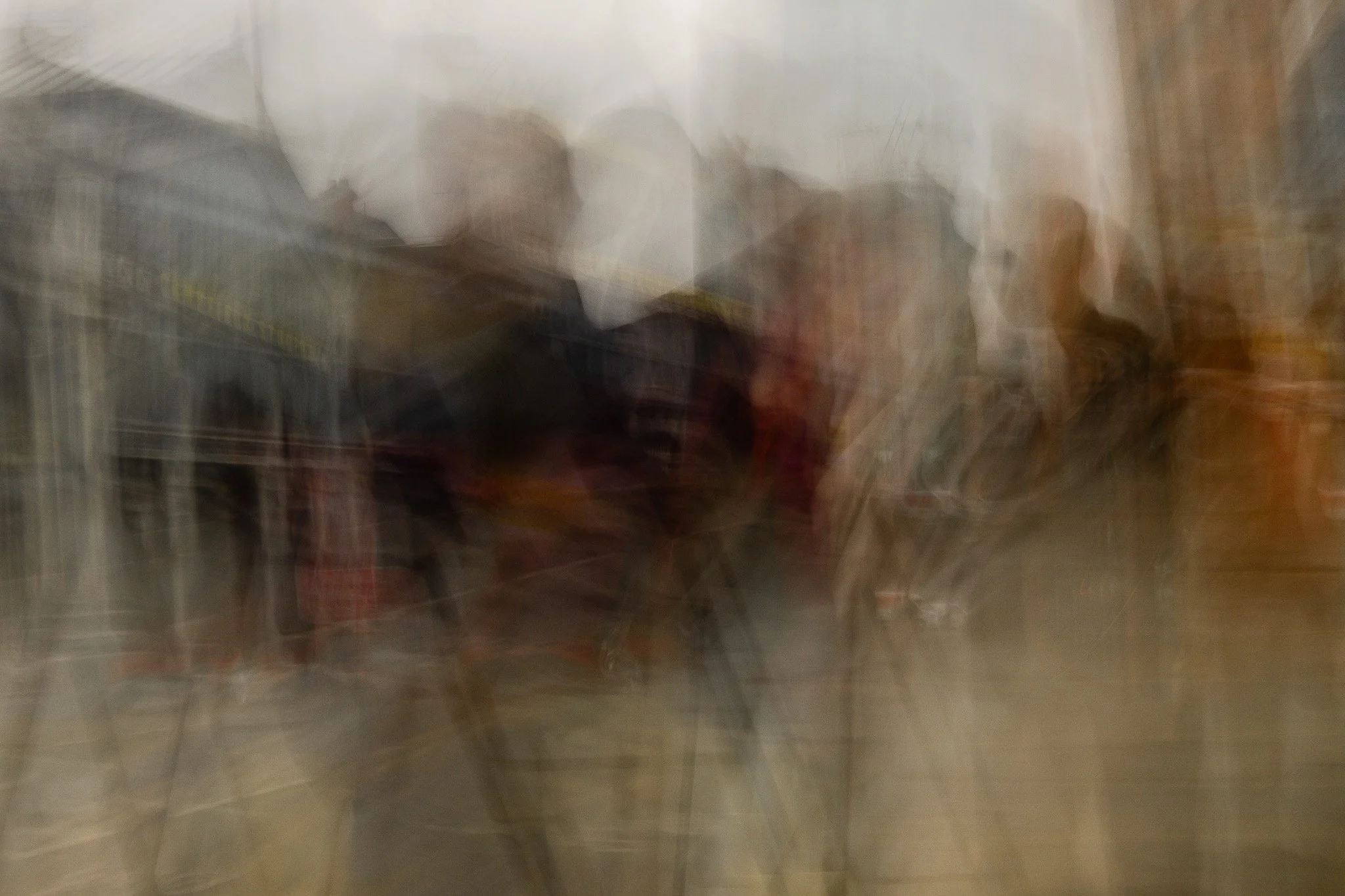
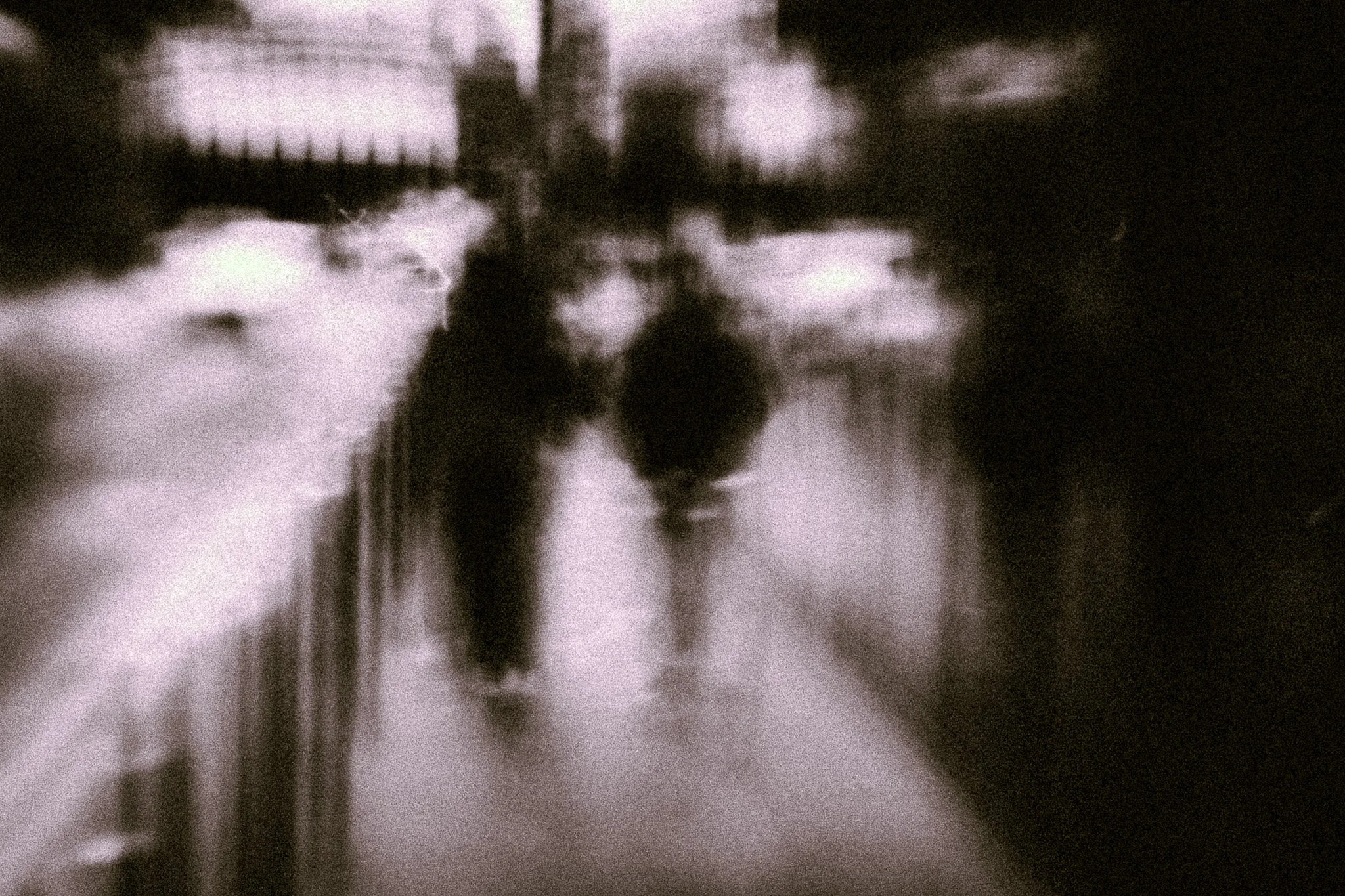
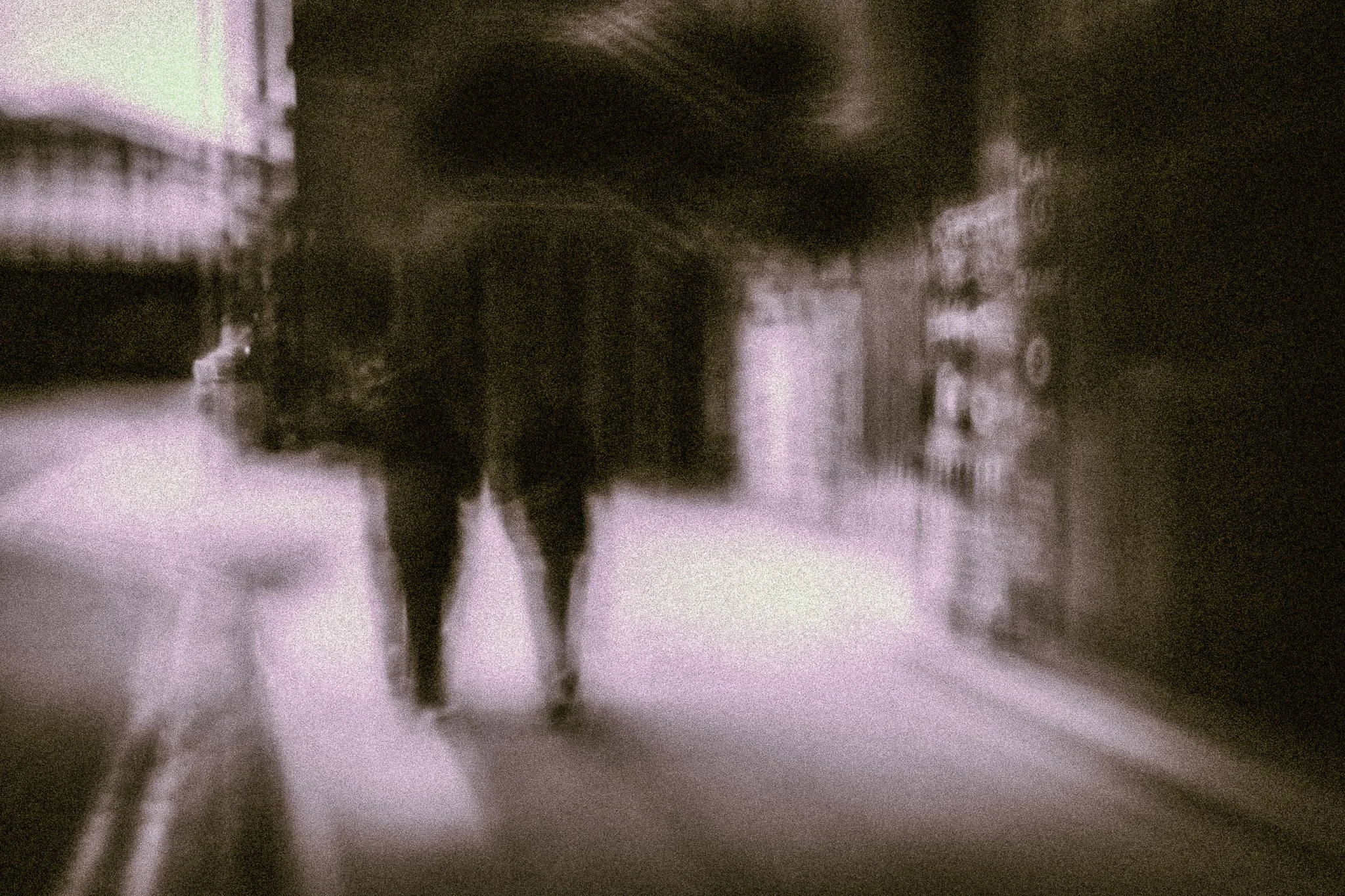
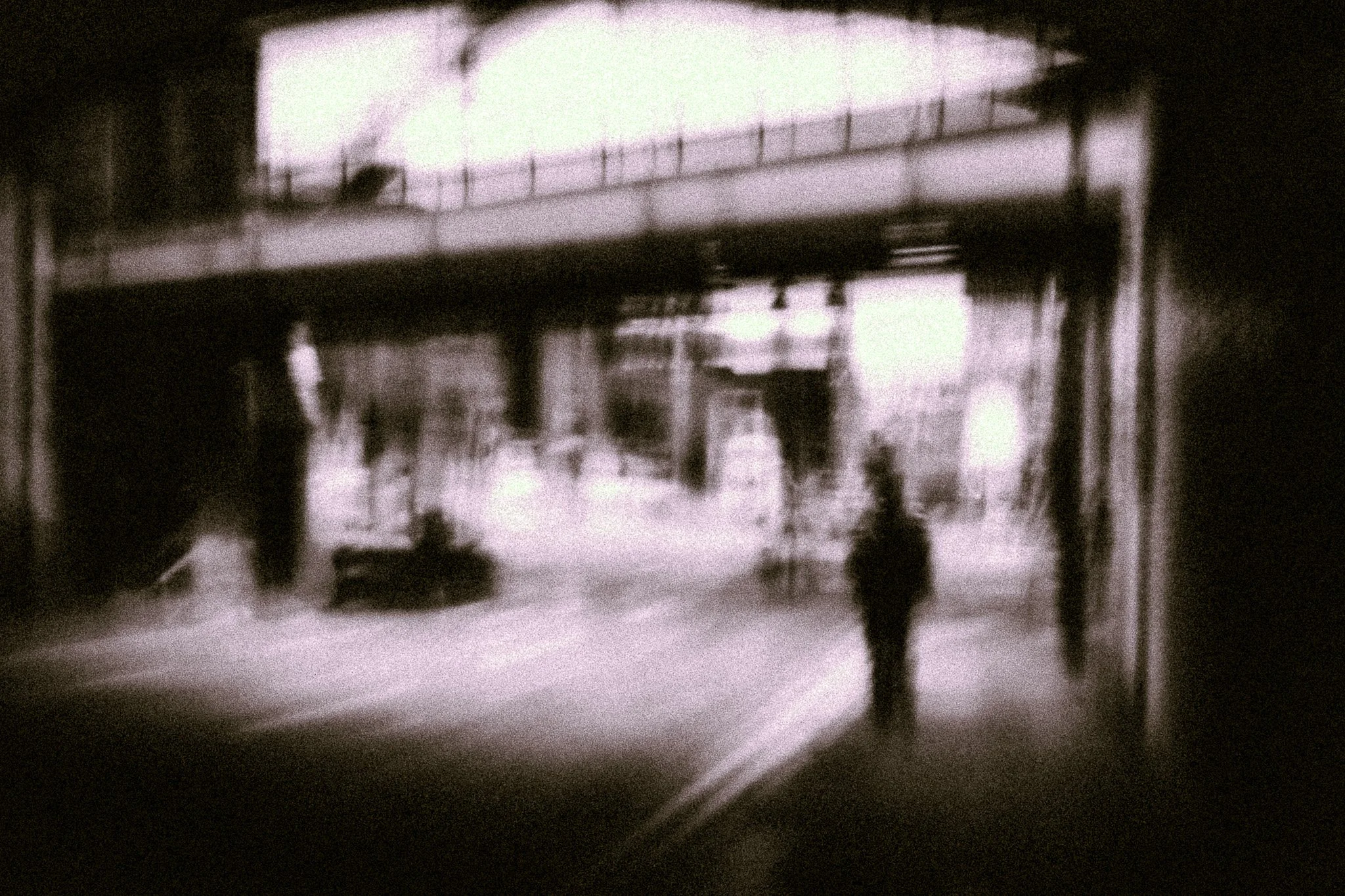
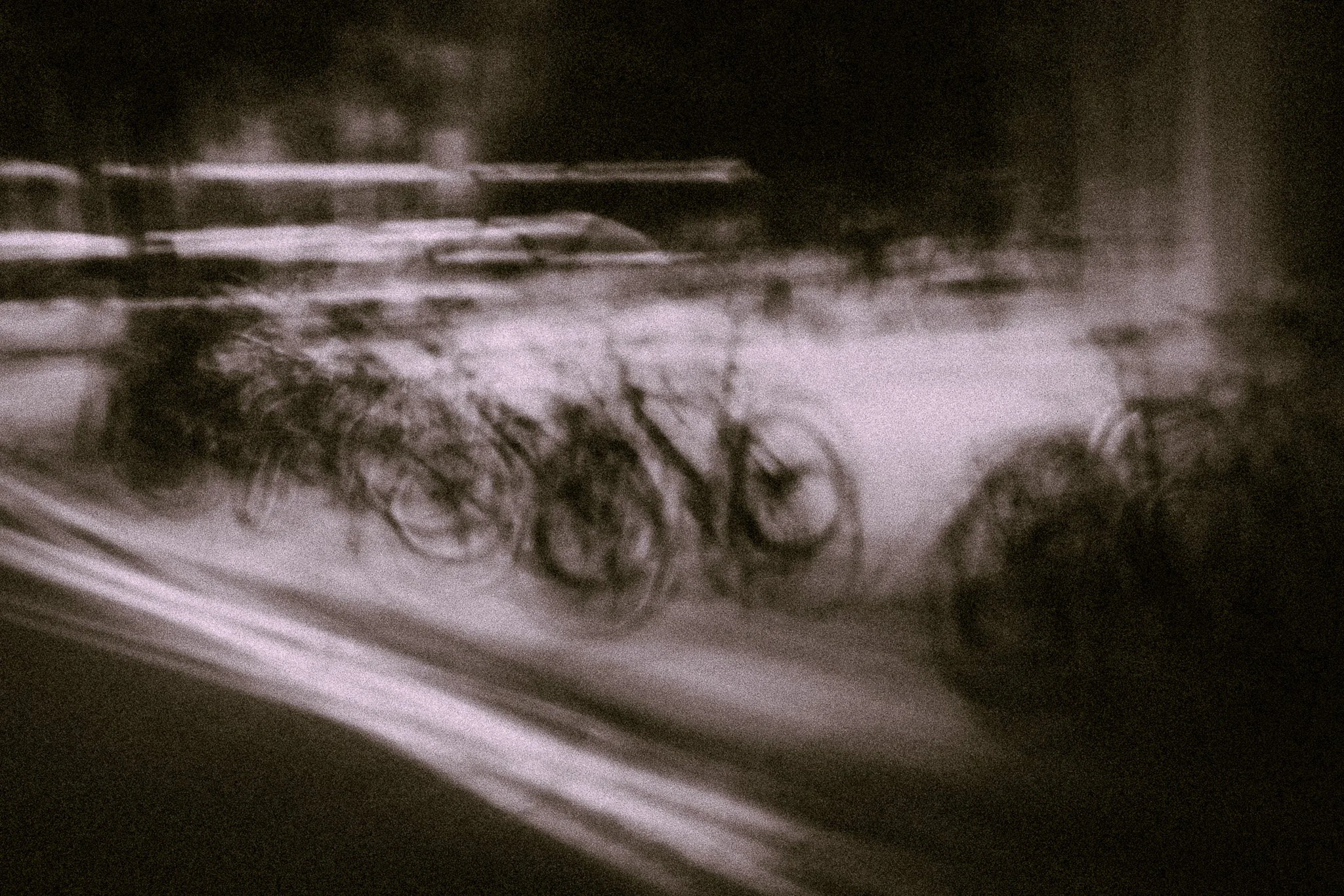
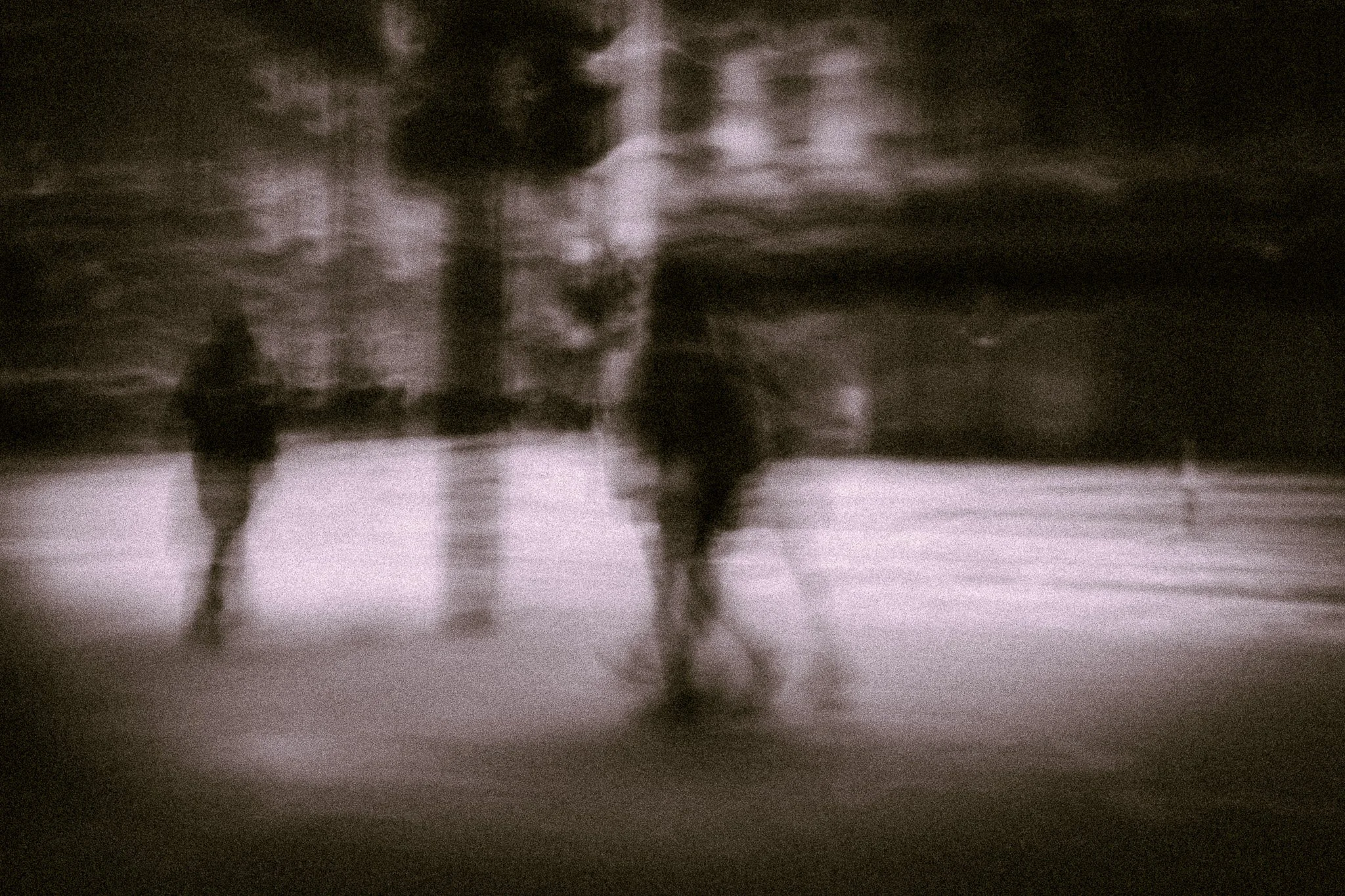
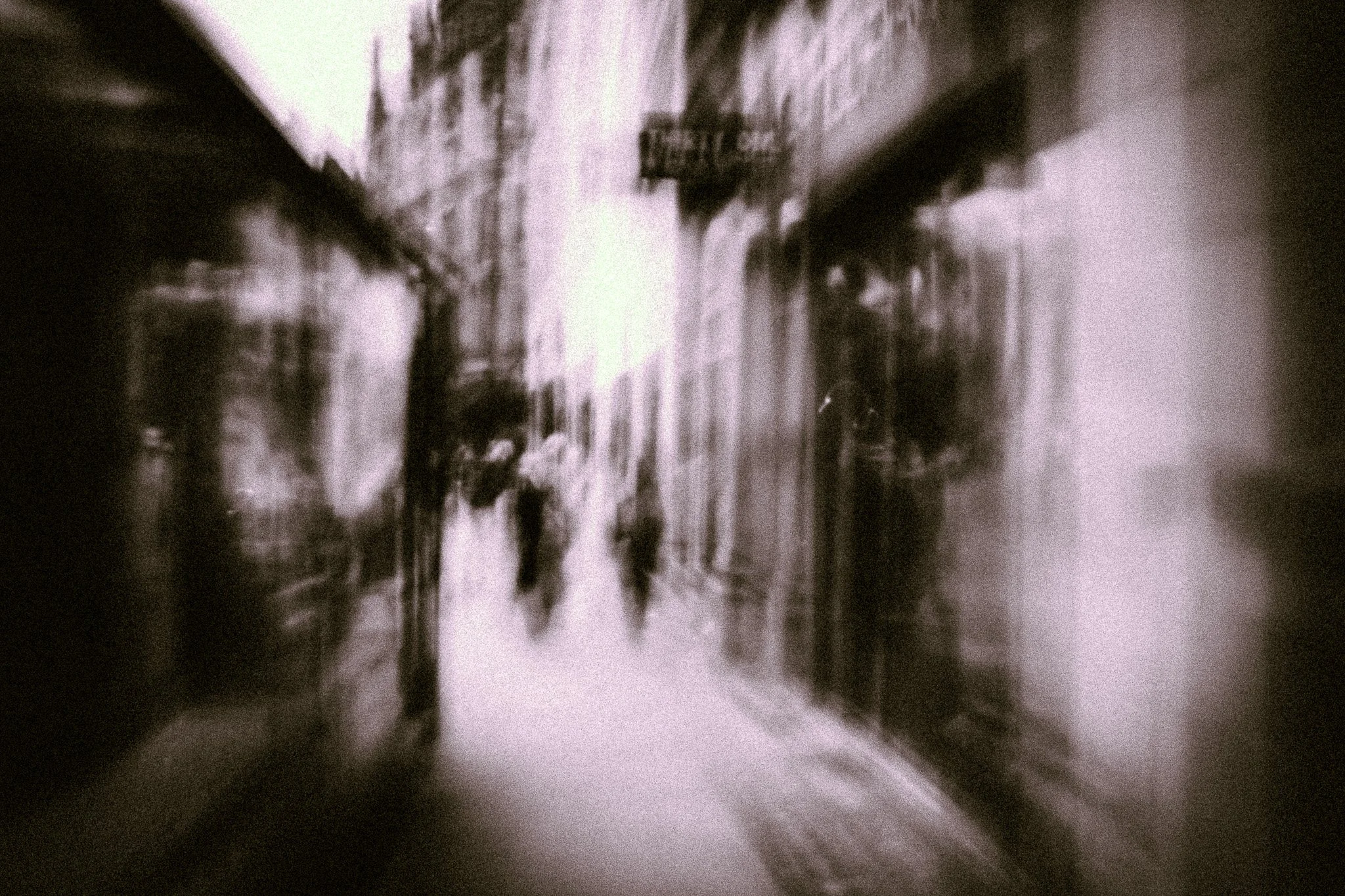
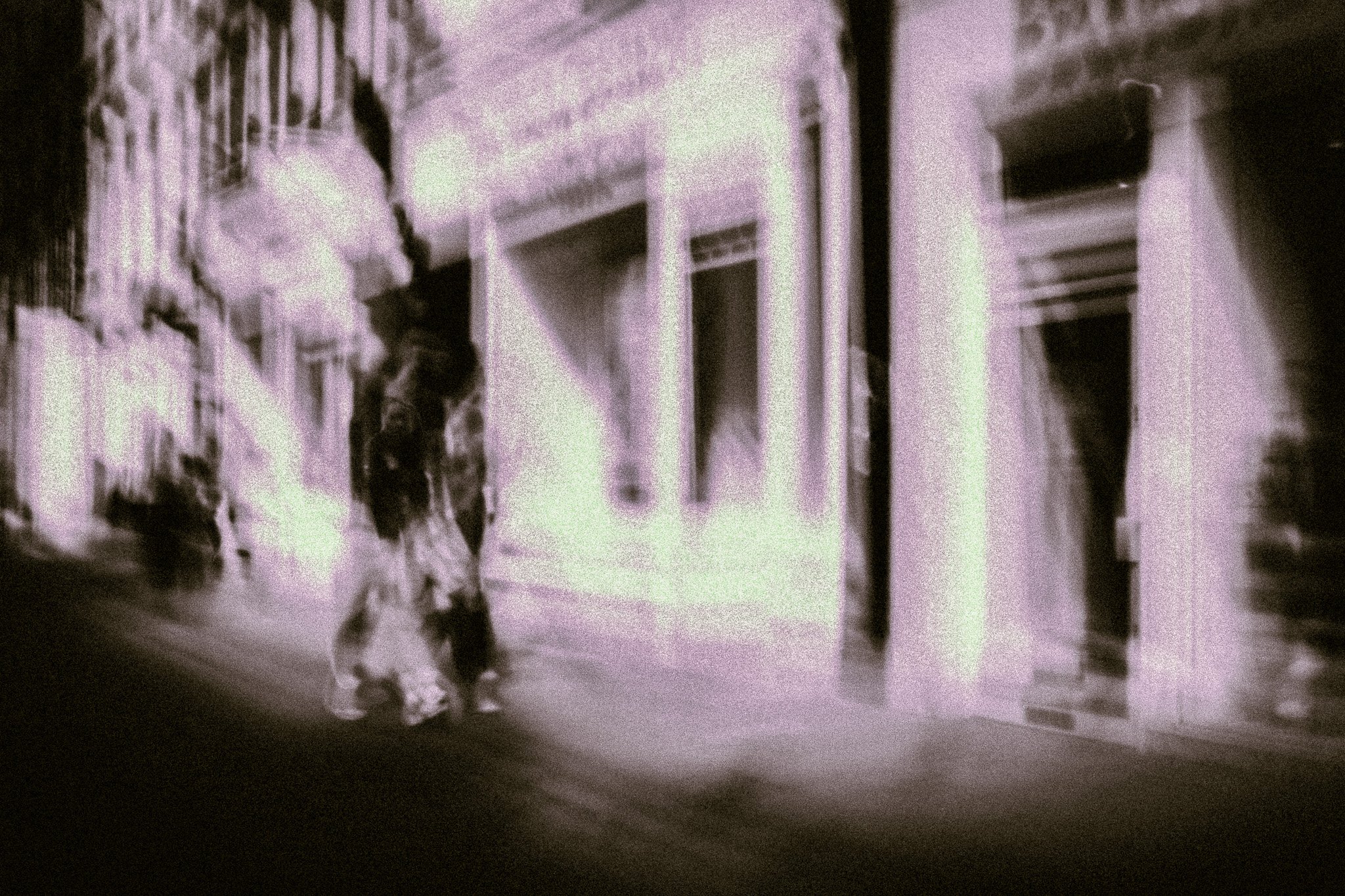
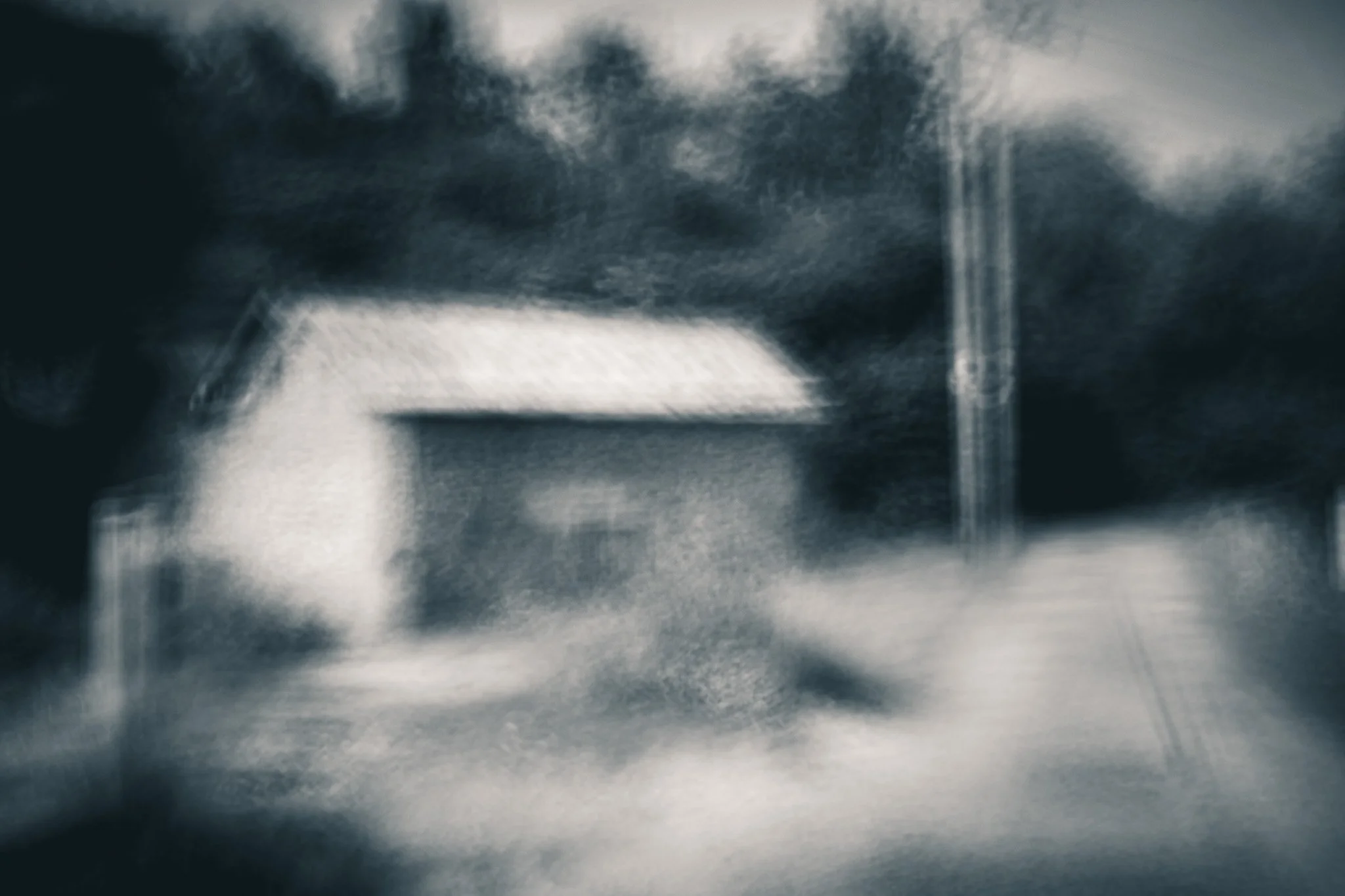
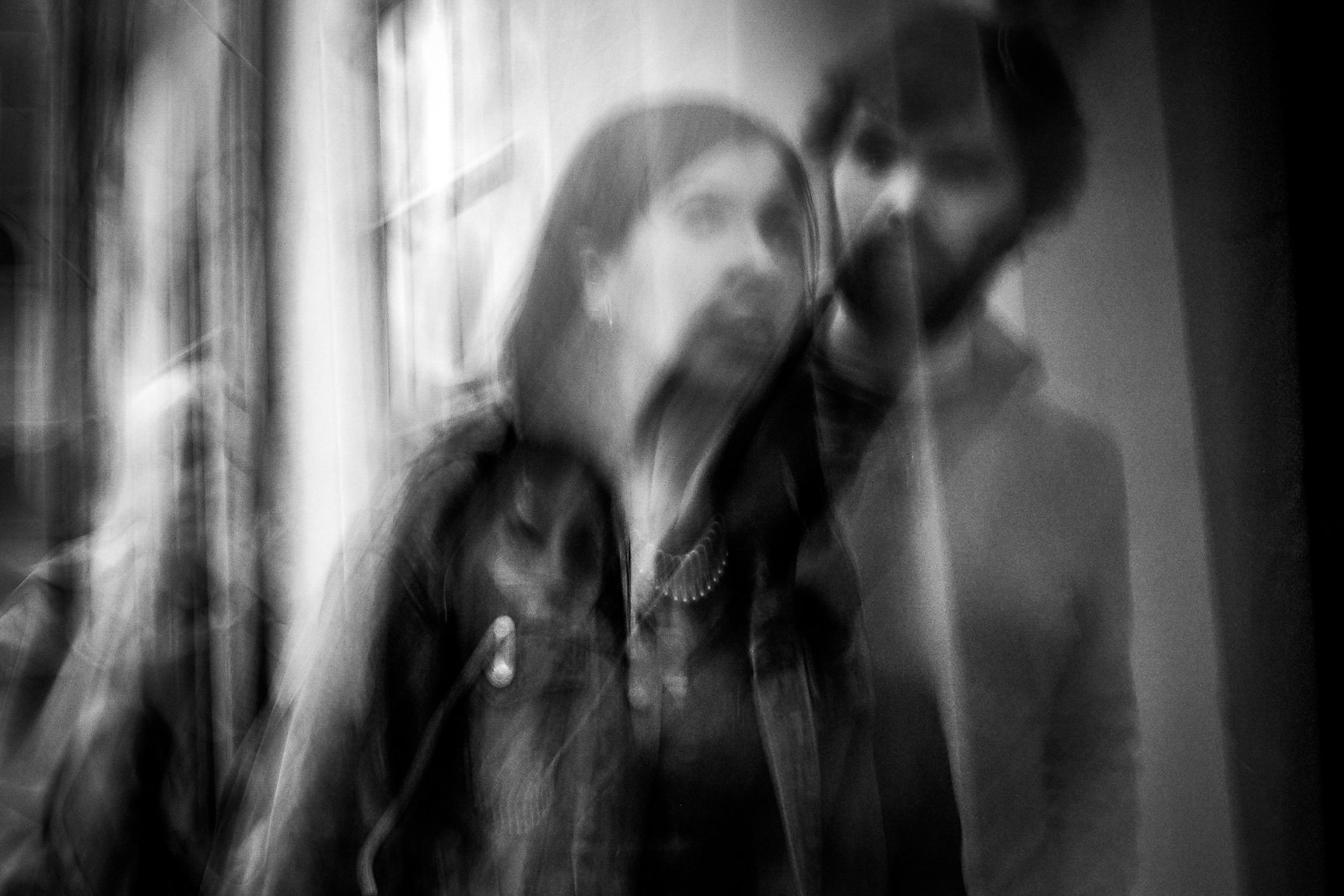
Photographic Impressionism sits at the heart of my artistic practice, occupying the space where photography and painting begin to blur into one another. Inspired by the French Impressionists of the late nineteenth century, I am less interested in recording a literal representation of a scene than in conveying its atmosphere, emotion and memory. I seek to capture the fleeting qualities of light, colour and movement rather than precise detail. The resulting photographs often invite a second glance, with many viewers initially mistaking them for paintings before discovering they were created entirely in-camera.
The images are made using Intentional Camera Movement (ICM), a technique in which the camera is moved during the exposure. While the principle sounds simple, the process demands an intimate understanding of light, shutter speed, subject matter and timing. Every movement of the camera influences the path that light takes across the sensor, meaning no two exposures are ever the same. The challenge lies in balancing control with unpredictability; each photograph requires technical judgement and experience, yet always retains an element of the unknown. It is this tension between intention and chance that gives the work its distinctive character.
My Photographic Impressionism explores both the natural and built environment, transforming familiar landscapes, streets and everyday scenes into expressive studies of colour, texture, shape, form and movement. Rather than documenting a place exactly as it appears, these photographs evoke how it feels to experience it. The camera becomes not simply a recording device but a creative instrument, allowing me to interpret the world rather than merely describe it. In doing so, I hope to challenge conventional expectations of photography and invite viewers to reconsider where the boundary between photography and fine art truly lies.