
Trusting My Own Eye
I’m delighted to have learned that one of my photographs has been selected for the Glasgow Gallery of Photography’s Open 2026 exhibition.
Having work accepted for exhibition is always encouraging, but this selection feels particularly meaningful. Not because it confirms that I’ve got something right, but because the photograph was made without any thought of judges, competitions or trends. It was simply a photograph that reflected the way I see the world and the kind of work I want to make.
Over the years, I’ve become less interested in trying to anticipate what other people might like and more interested in exploring what interests me. Photography is full of advice about what makes a successful image, and there are plenty of opportunities to chase approval, whether through competitions, social media or the opinions of other photographers.
Some time ago, however, I realised that I was most satisfied when I stopped worrying about those things and concentrated instead on making photographs that felt authentic to my own experience.
The image selected for the exhibition is a good example of that (whilst I can’t share my selected image before the exhibition, the images shown here were taken during the same shoot in Manchester and are of the same style).
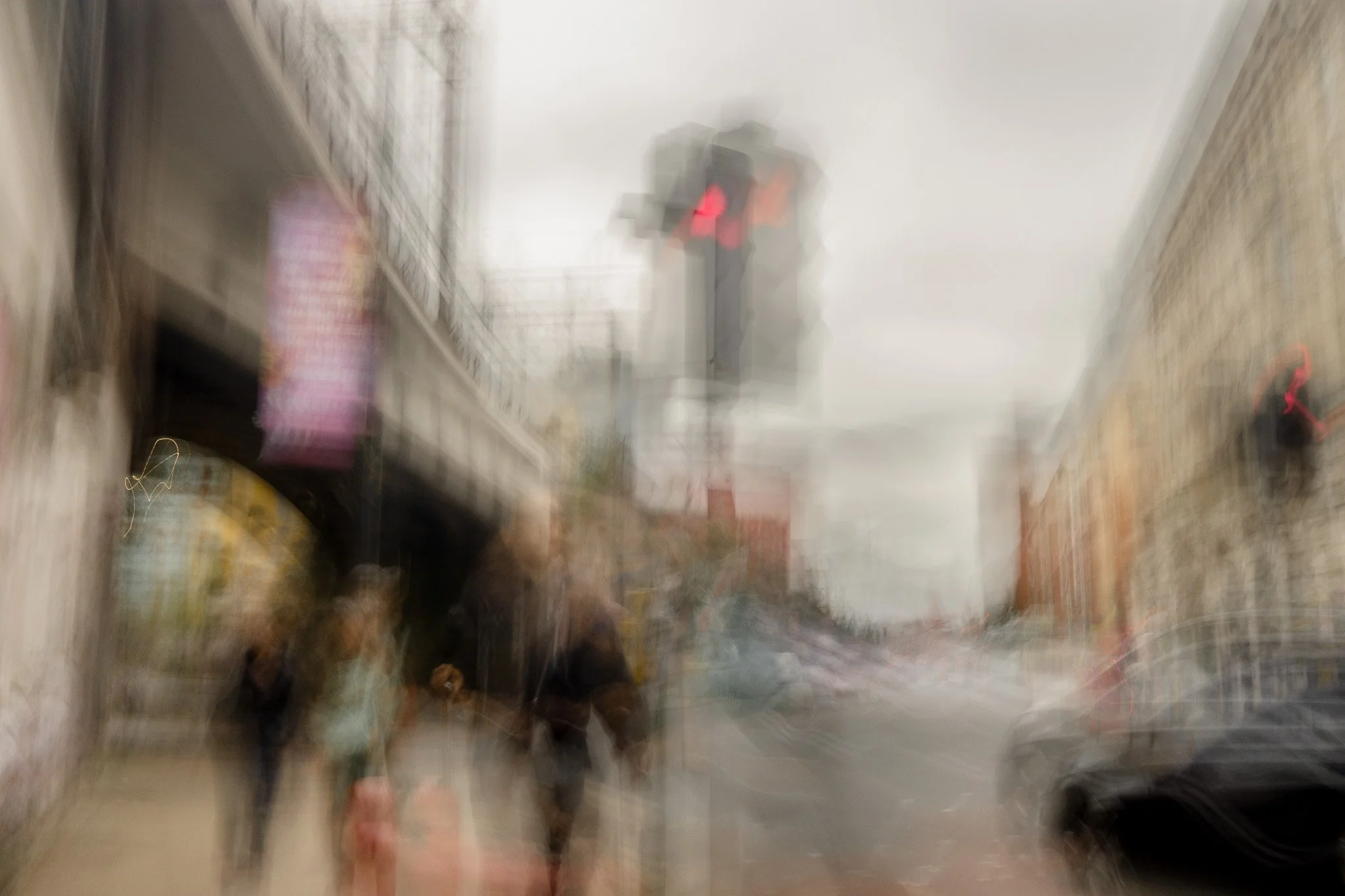
Street photography has always been about fleeting moments for me. Something catches your attention, you respond, and then it’s gone. The moment exists for a fraction of a second before it disappears forever.
Streets themselves are transitory places. The buildings may stand for decades and the roads may remain unchanged, but the people who pass through them ensure that they are constantly evolving. Every street is in a permanent state of transition. The scene you observe now has already changed by the time you raise the camera.
My approach to photography, particularly through Intentional Camera Movement, or what I prefer to think of as Photographic Impressionism, is an attempt to reflect that sense of impermanence.
Rather than freezing a moment and pinning it in place, I am often interested in conveying the experience of being there. The movement of people, the pulse of a city, the sense that everything is changing from one second to the next. The blur and abstraction are not accidents or technical shortcomings. They are part of the language of the image.
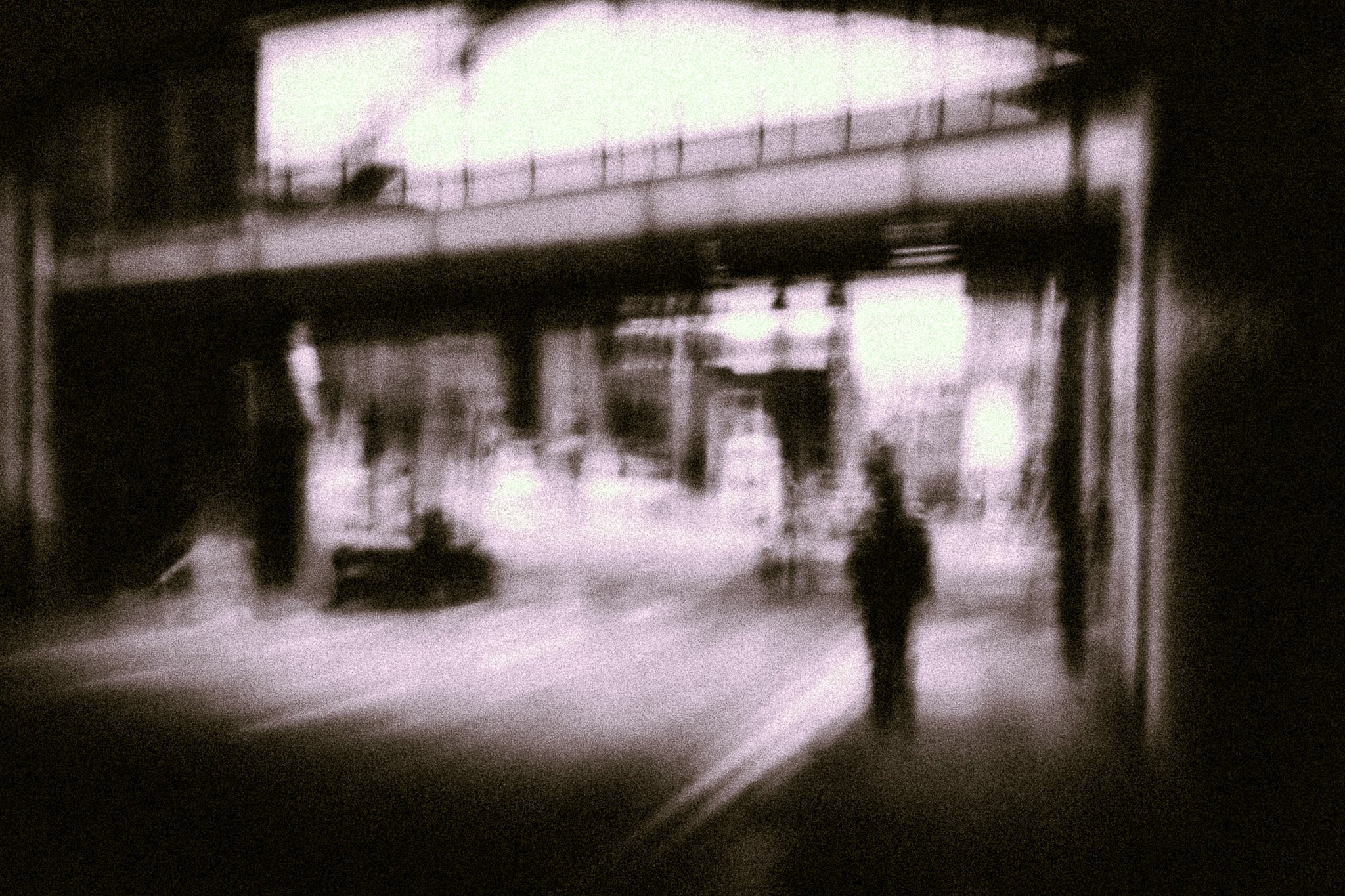
In these photographs, figures emerge and dissolve almost simultaneously. The landscape remains recognisable, yet unstable. The image feels closer to memory than documentation, which is precisely the effect I’m after.
When I make these photographs, I don't think about whether they’ll appeal to anyone else. I was responding to a moment and trying to express what I felt rather than simply record what I saw.
That is why this acceptance feels so gratifying.
To have my image selected by the Glasgow Gallery of Photography is particularly gratifying. As a gallery dedicated solely to photography, it exhibits work from photographers with a wide range of styles, approaches and experience. Knowing that this image resonated strongly enough to be included in its Open 2026 exhibition is a welcome affirmation of the path I’ve chosen to follow.
More importantly, it reinforces something I have gradually learned over the years. The work that matters most is usually the work that comes from genuine curiosity rather than a desire for approval.
Photography is at its most rewarding when it becomes a personal exploration rather than a performance for others.
I’m looking forward to seeing the photograph exhibited in Glasgow, but I’m equally pleased by what its selection represents. It’s a reminder that trusting your own eye is worthwhile. Sometimes the images that resonate most deeply are the ones made without any thought of what anyone else might think.
And occasionally, those photographs find an audience after all.