
Snailbeach Lead Mine Through the Lens of Photo Impressionism
Some places seem to hold onto their past more strongly than others.
The remains of Snailbeach Lead Mine, nestled beneath the Stiperstones in Shropshire, are one such place. Once one of the most productive lead mines in Britain, and reputed to have yielded more lead per acre than any other mine in Europe, the site played a significant role in the industrial history of the region. Today, its surviving engine houses, workshops and mine buildings stand as some of the finest preserved examples of lead mining heritage in the country.
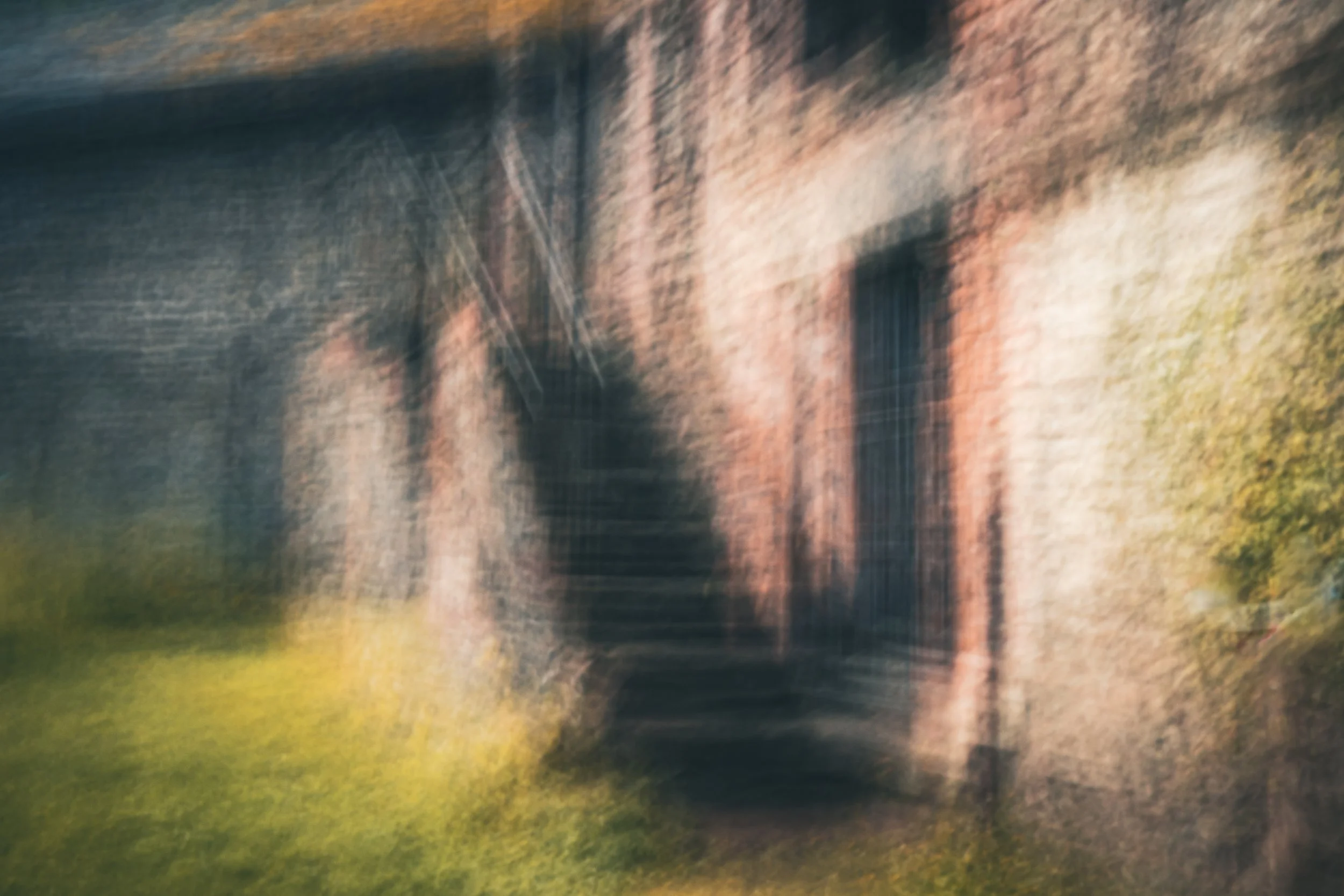
For many photographers, a location like Snailbeach presents an opportunity to document the architecture and industrial archaeology that remain. There is certainly value in that approach. These buildings deserve to be recorded and preserved, both photographically and historically.
For this project, however, I wanted to explore something different.
Rather than creating a literal record of the site, I chose to photograph the buildings using a technique I call Photo Impressionism. By intentionally moving the camera during the exposure, the familiar forms of stone walls, windows and rooftops begin to dissolve. Sharp detail gives way to shape, colour and movement. The resulting images become interpretations rather than documents.
This approach felt particularly appropriate for a place such as Snailbeach.
The mine ceased underground operations in 1955 and many of the buildings were left derelict for decades before conservation efforts secured their future. Even today, the site carries an atmosphere of absence. The workers have long gone. The machinery is silent. What remains are traces of lives, labour and industry that once defined this landscape.
When we encounter abandoned industrial buildings, we often bring our own experiences and emotions with us. Some people are reminded of communities that have disappeared. Others see symbols of resilience, decline, change or renewal. These places can evoke nostalgia, curiosity, melancholy or admiration, sometimes all at once.
That personal response was what I hoped to capture.
The soft, painterly quality created through Photo Impressionism mirrors the way memory itself often behaves. We rarely remember places with perfect clarity. Instead, memories are layered with emotion, fragments of detail and reminiscences of other, related experiences.
By reducing the importance of precise architectural detail, I wanted to create space for viewers to connect with the images through their own experiences and interpretations.
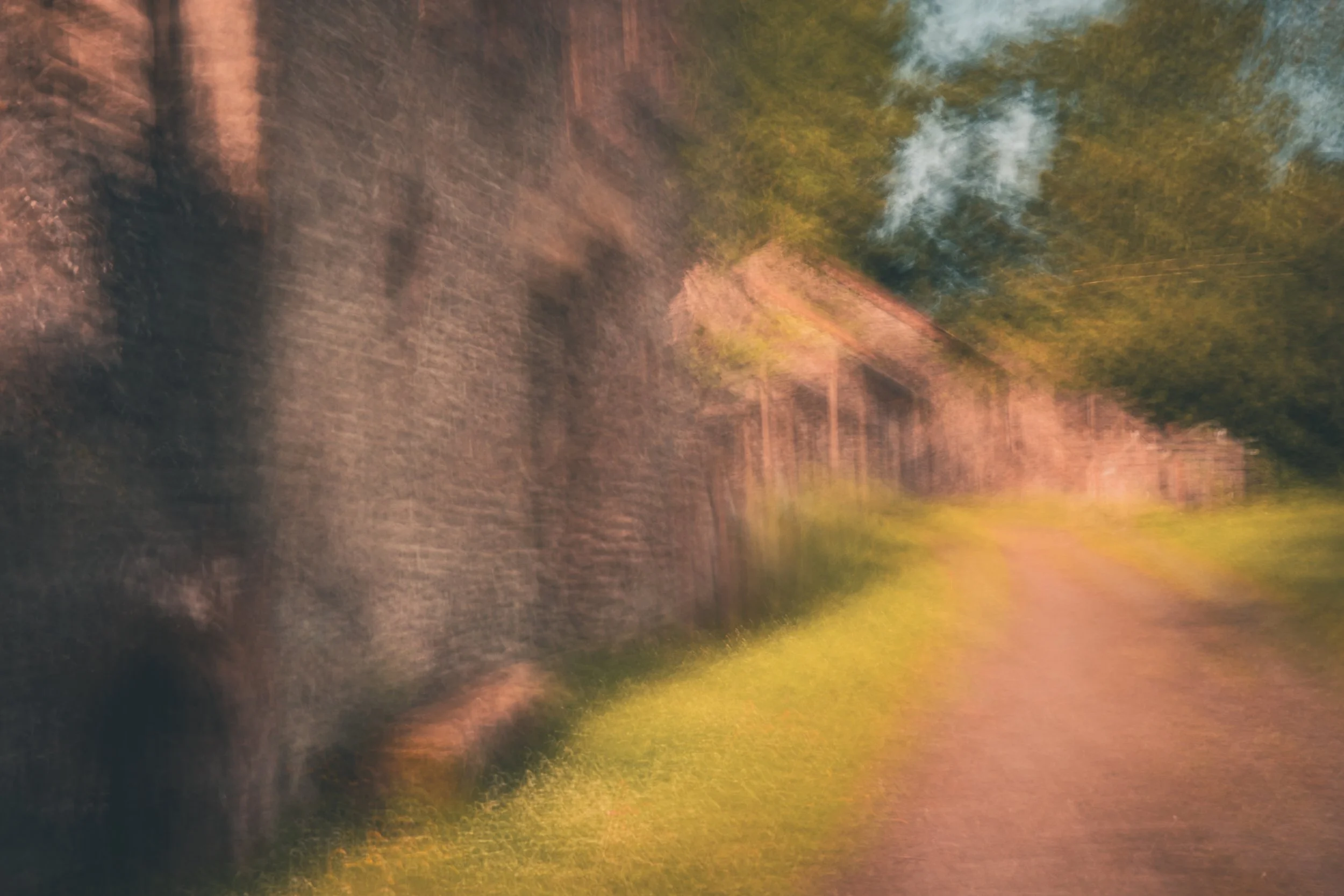
In many ways, the photographs are as much about memory as they are about mining.
Standing among the remains of Snailbeach, it is impossible not to reflect on the generations of people who worked there and the impact the mine had on the surrounding landscape. And I was reminded of the time I was fortunate enough to go underground and explore the mines with a friend from the Shropshire Mines Trust.
Photography is often seen as a medium that records reality. Sometimes, however, it can be just as powerful when it suggests rather than describes.
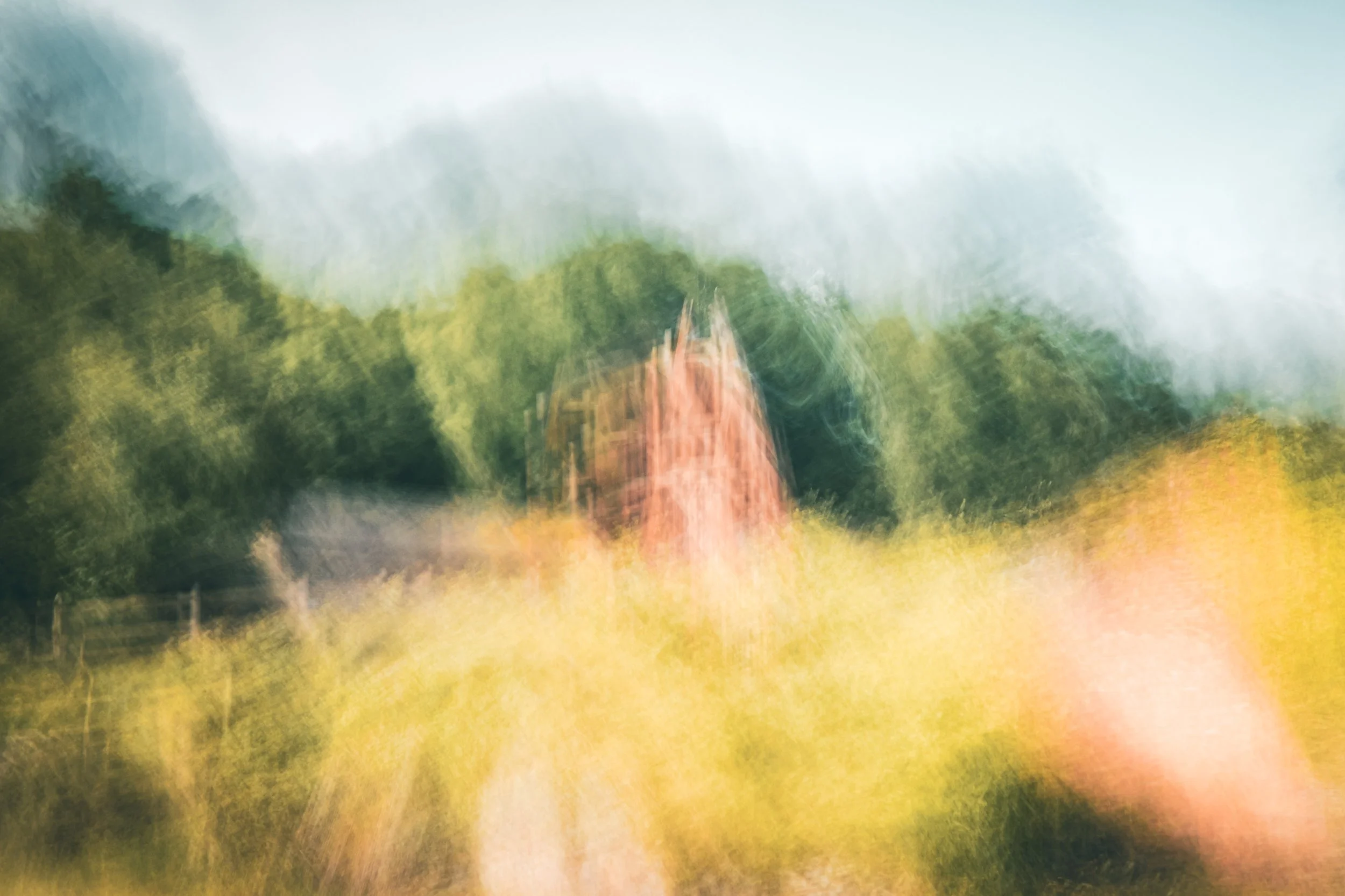
With this series from Snailbeach Lead Mine, my aim was not simply to show what these historic buildings look like today. Instead, I wanted to explore what they might make us remember, imagine and feel.