
Landscape Deconstruction - The Shirehall
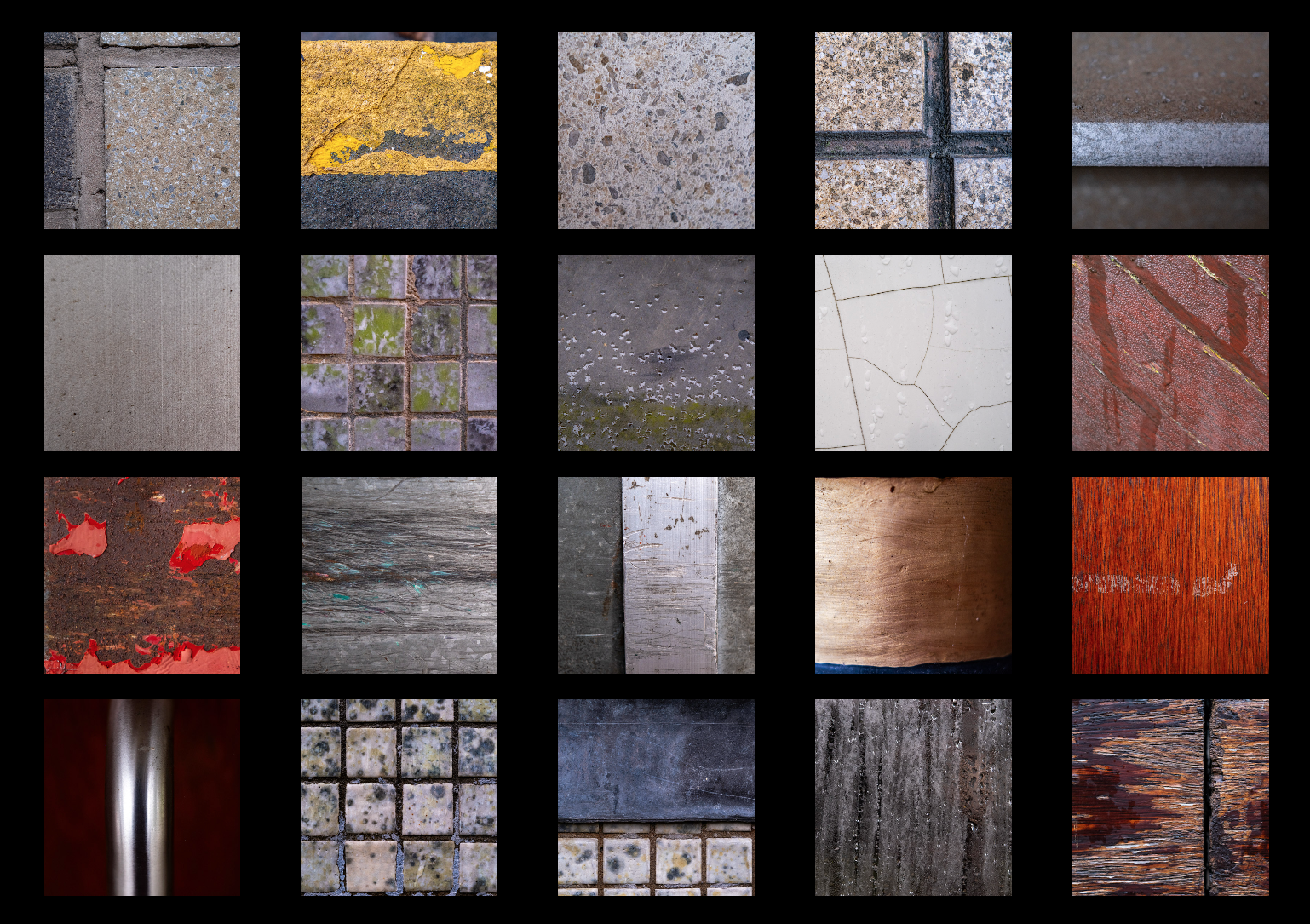
Landscape photography isn’t something I’m naturally drawn to. It doesn’t stir me in the same way as live music, photojournalism, or street photography. Those genres thrive on energy, unpredictability, and human presence. Landscapes, by comparison, can feel static, overly polite, and bound by tradition. Yet it’s a genre I return to from time to time—just not in the conventional sense.
When I do head out with the intention of photographing landscapes, I’m rarely interested in the classic, sweeping vista. More often than not, I work with Intentional Camera Movement, using motion to disrupt clarity and loosen the grip of realism. Recently, however, I’ve been revisiting an approach I haven’t explored in many years: landscape deconstruction.
Landscape deconstruction shifts the focus away from the scene as a whole and onto its individual components. Instead of asking the image to describe a place, it asks it to explore ideas. Colour, shape, texture, line, and form become the subject matter. A stretch of sky might be reduced to tonal blocks. A tree line becomes a rhythm of verticals. Water turns into texture rather than a body with edges.
The final work is presented as a collage of multiple images rather than a single frame. Each photograph functions like a fragment—part of a visual sentence that only makes sense when read together. This process allows me to step away from documentation and move closer to abstraction, where the landscape becomes raw material rather than a destination.
For me, landscape deconstruction is less about representing the world as it appears and more about responding to how it feels. It’s an art form rooted in interpretation, not accuracy. By breaking a scene apart and reassembling it, I’m free to create something that sits between photography and abstraction—less concerned with where it was made, and more focused on why it exists at all.
for this set of images I visited the now abandoned Shirehall in Shrewsbury. A building I know well having grown up near there and, until recently worked in for many years.
I’m pleased with these results and I look forward to visiting other locations to do a similar thing with.